An Italian Romance
2004
No user ratings available yet
Representation score: 1.4 out of 10
Representation Score
Limited
2004
Not RatedDirector
Ciro Ippolito
Runtime
110 minutes
Average Rating
No ratings yetNew Showbiz Analysis
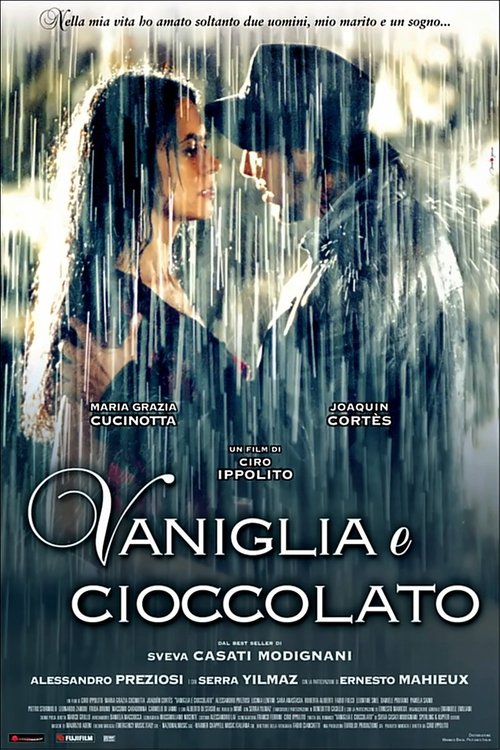
Vaniglia e cioccolato operates as a conventional European romantic drama centered on interpersonal shifts. It finds its strength in disrupting domestic hierarchies by prioritizing the female protagonist's autonomy and reassigning traditional parental roles. However, the film lacks multi-layered complexity. The narrative remains rooted in a localized Mediterranean context and does not engage with broader sociopolitical or systemic critiques. While the plot introduces international elements through a Spanish character, the representation remains largely within a traditional framework, lacking significant diversity in identity or social perspective.
Category Breakdown
The film focuses on a traditional heterosexual marriage breakdown. There are no queer characters or narratives addressing non-straight identities.
Penelope's decision to leave her husband asserts her independence and challenges the cliché of the submissive wife. The plot shifts domestic burdens onto the male character.
A Spanish painter adds an international element, suggesting European cultural blending. However, the cast lacks clear evidence of diverse racial backgrounds.
The story explores the deconstruction of the nuclear family through individual emotional truth. It functions as a character study rather than a systemic critique.
A character faces a terminal illness, but this serves primarily as a narrative catalyst. There is no focused exploration of disability.
Present on Screen
Limited or Absent
Official Synopsis
Penelope, a mother of three kids, gets tired by the infidelities of her husband and leaves him. She goes to live at her grandma's house, while he has to take care of the children. His interest is awakened when he finds love letters held by his wife, indicating a past love affair. She, on the other hand, tries to find her past lover, a Spanish painter, with whom she had a short love affair, only to discover that he is terminally ill.
2004

2001
2005

2009

2004
1999
2009

2010
No reviews yet. Be the first to share your thoughts on this movie!
Use the rating form above to leave a star rating and optional review.