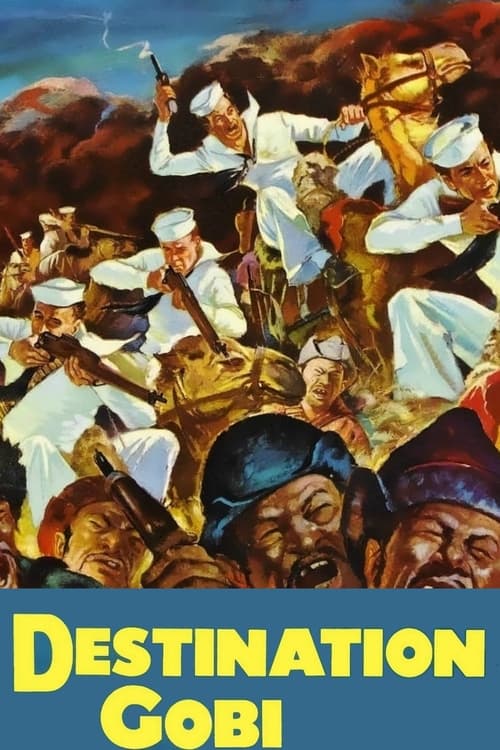
Destination Gobi
1953
No user ratings available yet
Representation score: 1.1 out of 10
Representation Score
Limited
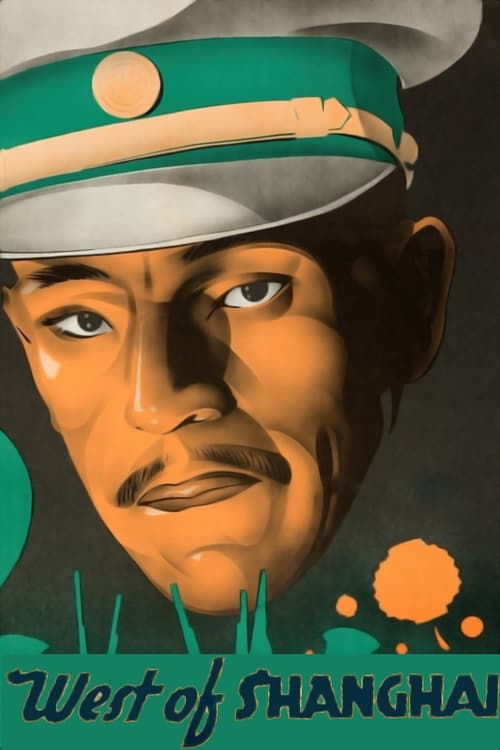
1937
NRDirector
John Farrow
Runtime
64 minutes
Average Rating
No ratings yetNew Showbiz Analysis
West of Shanghai serves as a transitional piece of 1930s cinema. It breaks certain racial taboos by featuring interracial intimacy, which was a significant departure from the era's standard clichés. However, the film remains anchored in the period's systemic hierarchies. It relies on traditional gender roles and maintains a colonial-era perspective that limits its progressive potential. Ultimately, while it acknowledges shifting global power dynamics, it fails to fully deconstruct the social structures of the time.
Category Breakdown
The film does not include any LGBTQ+ identities or subtext. All romantic relationships are heterosexual, reflecting the social norms of 1937 cinema.
Female characters are confined within traditional gender roles, with their influence often linked to romantic interests. The story is mainly driven by male protagonists.
The film features an interracial romance between a Westerner and a Chinese character, challenging the era's segregation norms. However, it still leans towards Western exoticism.
The story examines the breakdown of Western colonial stability under Japanese imperialism. It portrays morality as a relative tool for survival amid geopolitical chaos.
There is no representation of physical, sensory, or neurodivergent disabilities within the character arcs.
Present on Screen
Limited or Absent
Official Synopsis
American businessmen and missionaries working in China are captured and held prisoner by a local warlord.
1953
1932
1944
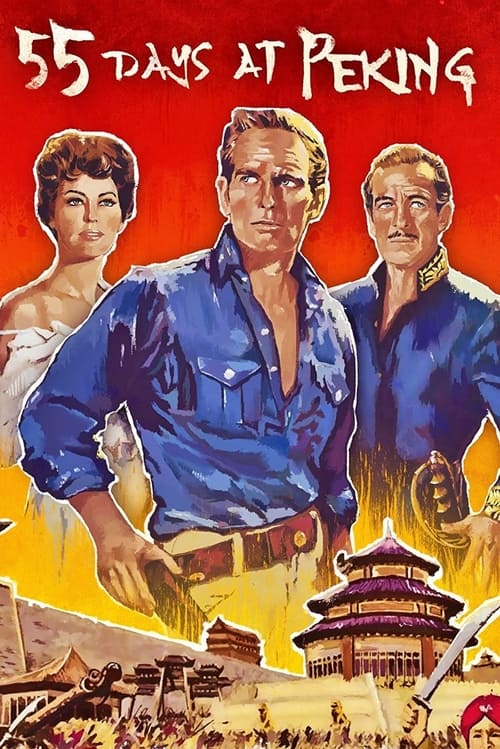
1963
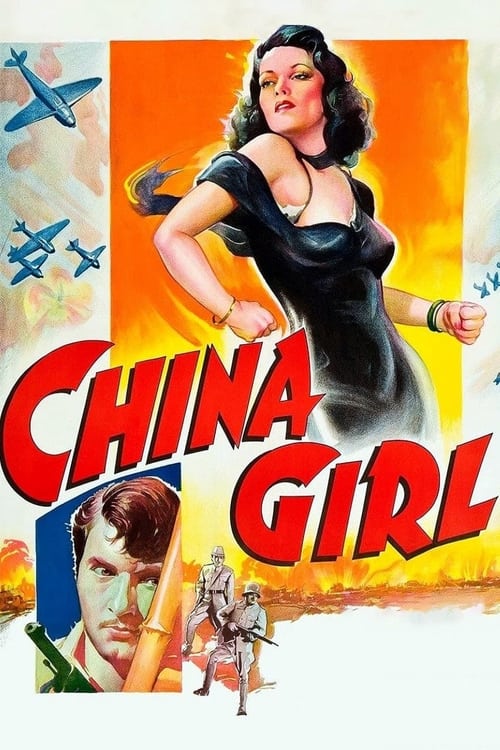
1942

1941

1945

1966
No reviews yet. Be the first to share your thoughts on this movie!
Use the rating form above to leave a star rating and optional review.