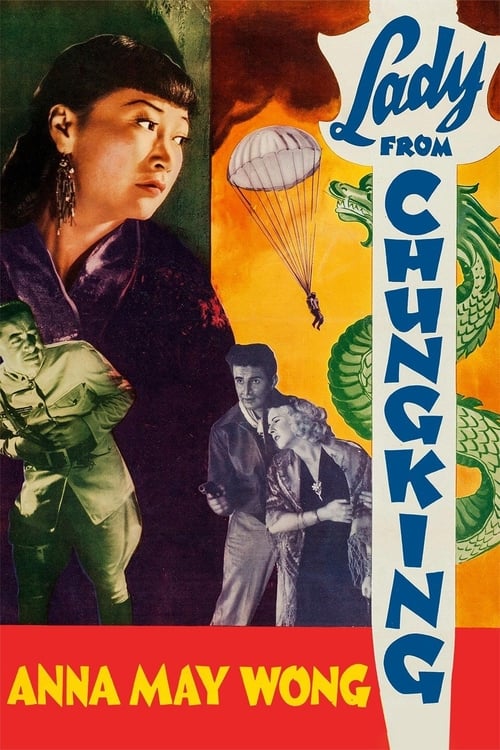
Lady from Chungking
1942
No user ratings available yet
Representation score: 3.5 out of 10
Representation Score
Limited
1942
NRDirector
Henry Hathaway
Runtime
95 minutes
Average Rating
No ratings yetNew Showbiz Analysis
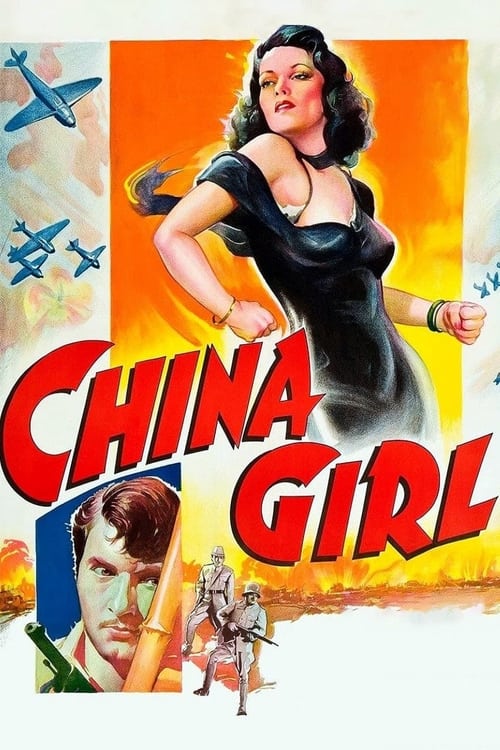
China Girl showcases a mix of progressive casting and traditional narrative structures from the 1940s. The film includes an interracial romance and features Anna May Wong in a prominent role. However, these progressive elements are balanced by a Western-centric viewpoint and an Orientalist lens. The plot centers around the male protagonist's military objectives and traditional gender roles. Ultimately, while the film pushes against some period norms, it retains conventional gender hierarchies and colonial-era power dynamics.
Category Breakdown
The film does not include any LGBTQ+ characters or identities outside of heterosexuality. The main romance focuses solely on a heterosexual couple.
Miss Young plays a significant role by helping the escape, but her character is mainly defined by her relationship to the male lead. The narrative momentum is driven by the male protagonist's actions.
Anna May Wong's role provides important representation for a person of color. However, the story is told through an Orientalist lens that upholds colonial-era power structures.
The film portrays the conflict between Western influence and Chinese traditions as a personal romantic issue. It emphasizes the Western protagonist's mission over local cultural viewpoints.
There are no characters with visible or invisible disabilities playing central roles or having meaningful ability to act in the plot.
Present on Screen
Limited or Absent
Official Synopsis
Two-fisted newsreel photographer Johnny Williams is stationed in Burma and China in the early stage of WW II. Captured by the Japanese, he escapes from a concentration camp with the aid of beautiful, enigmatic 'China Girl' Miss Young. The two arduously make their way back to friendly lines so that Johnny can deliver the vital military information he's managed to glean from his captors.
1942
1956
1942
1961
1958
2008

1942
1945
No reviews yet. Be the first to share your thoughts on this movie!
Use the rating form above to leave a star rating and optional review.