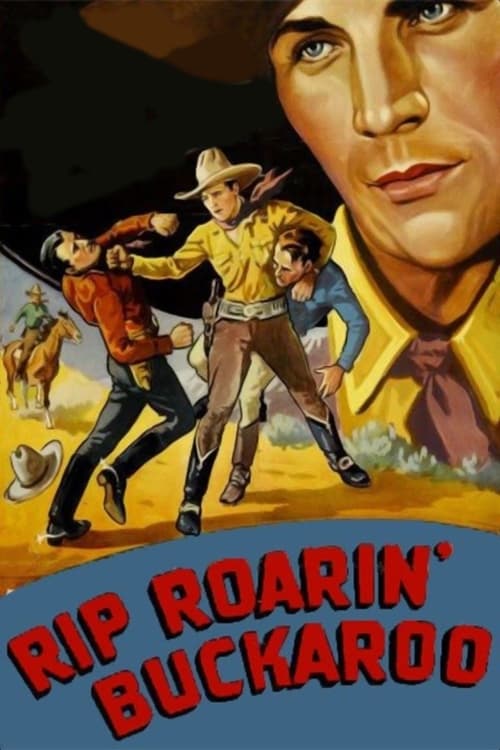
Rip Roarin' Buckaroo
1936
No user ratings available yet
Representation score: 0.8 out of 10
Representation Score
Minimal
1933
PassedDirector
Armand Schaefer
Runtime
58 minutes
Average Rating
No ratings yetNew Showbiz Analysis
The film presents a conventional 1933 Western structure. A male protagonist navigates professional and romantic challenges in a small Texas town. The narrative prioritizes traditional gender roles, positioning the male hero as the active agent. The female lead is the object of affection, lacking independent plot agency. Racial diversity is absent from the credited cast. The cast is predominantly white, reflecting the era's standard production practices. No significant non-white characters are credited in the available records. This absence is consistent with the period's typical casting norms. Cultural values align with early 20th-century norms. Local law enforcement and family ties serve as stable foundations. The conflict with crooked promoters reinforces a merit-based worldview. Hard work and integrity triumph over greed in the story.
Category Breakdown
No LGBTQ+ characters, relationships, or dialogue appear in the film. The narrative contains no references to sexual orientation or gender identity. This absence reflects the standard production practices of the era.
The male lead drives the plot as a salesman turned oil stock seller. The female lead serves as the romantic interest without independent plot agency. Women are limited to romantic or familial roles in the narrative.
The cast is predominantly white with no significant non-white characters credited. Racial diversity is absent from the on-screen inventory. This reflects the era's standard production practices for Westerns.
Cultural values align with early 20th-century norms, treating local law enforcement and family ties as stable foundations. The conflict with crooked promoters reinforces a merit-based worldview. Hard work and integrity triumph over greed in the story.
No characters with disabilities are depicted or discussed in the narrative. The film presents a straightforward view of community and individual responsibility. There is no focus on disability or modern identity politics.
Present on Screen
Limited or Absent
Official Synopsis
Randolph Graves, a high-pressure haberdashery salesman, is fired for arguing with a customer and gets job selling oil stock in a nearby town; there he falls in love with the sheriff's daughter and tangles with crooked stock promoters.
1936
1940
1928

1930
1930
1934
1932
1926
No reviews yet. Be the first to share your thoughts on this movie!
Use the rating form above to leave a star rating and optional review.