Vampire Couch Trip
2017
No user ratings available yet
No diversity score available
2014
Not RatedDirector
Kirk Sullivan
Runtime
87 minutes
Average Rating
No ratings yetSynopsis
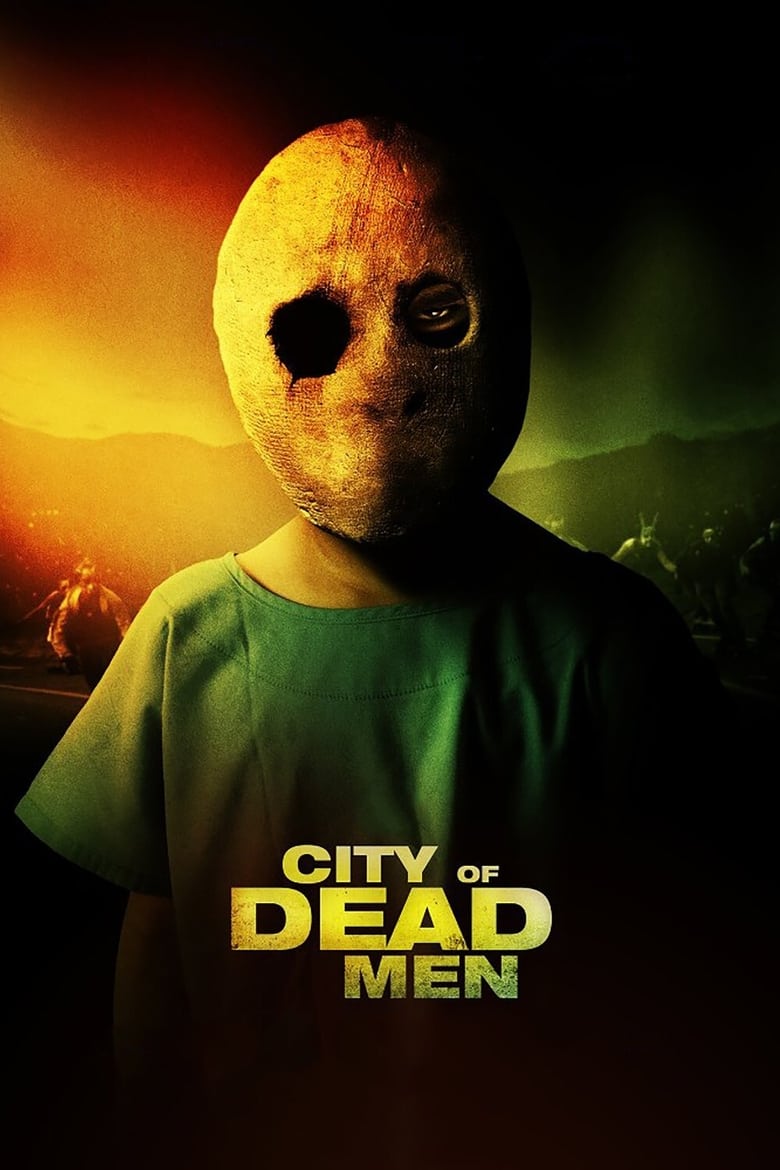
An American traveling in South America ends up living with a group of misfits at an abandoned hospital with a troubling past.
Overall Score
Fair
Category Breakdown
LGBTQ+ Representation
The film lacks explicit mention of LGBTQ+ characters or non-heteronormative identities. The narrative focuses on a traveler and a radical group of men without evidence of queer representation.
Gender Representation
Melody serves as a central figure who guides the protagonist into a radical subculture. However, her role appears functional to the plot rather than a subversion of traditional gender hierarchies.
Racial & Ethnic Diversity
Setting the story in Medellín provides meaningful geographic and ethnic diversity. The cast, featuring Diego Boneta and María Pachón Mesa, supports a blend of cultural backgrounds.
Religious & Cultural Diversity
The film explores social outsiders living in an abandoned psychiatric hospital. This setting hints at a potential critique of institutional stability and traditional social structures.
Disability Representation
The abandoned psychiatric hospital setting introduces themes of mental health and institutionalized care. It remains unclear if neurodivergence is portrayed with agency or used as a plot device.
Strengths
Areas for Improvement
AI Analysis
City of Dead Men finds its strength in its international setting and diverse casting. By moving the thriller genre away from Western-centric tropes and into Medellín, the film achieves a moderate level of ethnic and geographic inclusion. However, the narrative lacks deep intersectional complexity. While the setting touches on themes of mental health and social radicalism, the film does not provide clear evidence of systemic subversion or transformative character representation. Ultimately, the film offers a functional level of diversity that avoids homogeneity but fails to engage deeply with queer identities or complex gender dynamics.
2017
2000
2024

2016
2017
2016

2017
2015
2014
2014
2015
2015
No reviews yet. Be the first to share your thoughts on this movie!
Use the rating form above to leave a star rating and optional review.