
Delirium
2018
No user ratings available yet
Representation score: 2.2 out of 10
Representation Score
Fair
2014
Director
Griff Furst
Runtime
98 minutes
Average Rating
No ratings yetNew Showbiz Analysis
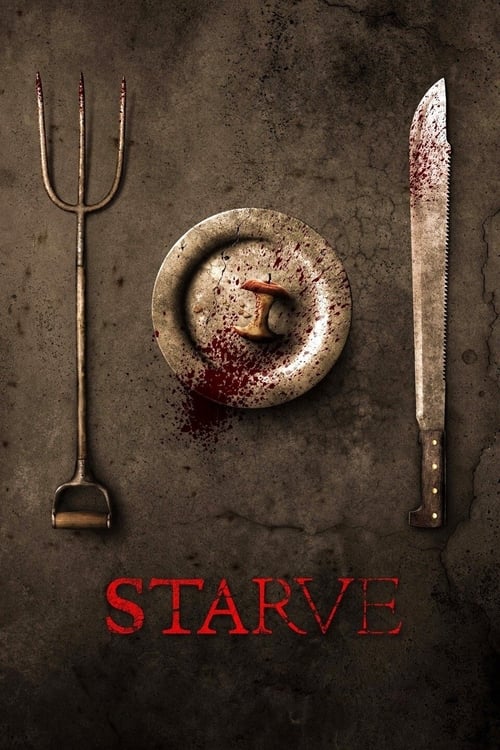
Starve operates as a conventional indie horror-thriller that prioritizes atmospheric tension and survivalist clichés over social commentary. The narrative centers on a small group of friends facing an external evil in an abandoned high school, adhering to classical genre archetypes. Since the film focuses on individual survival within a localized setting, it lacks the systemic intentionality needed to explore diverse identities. The production follows established genre patterns rather than attempting to disrupt social hierarchies or provide meaningful representation of underrepresented groups.
Category Breakdown
The film does not include any characters with queer identities or non-straight storylines. The narrative centers on the survival of a trio of friends within a typical horror framework.
The story involves three friends, but there are no specific details about their genders. The portrayal does not challenge traditional gender roles or dynamics.
Based on the available information, the cast seems to lack racial or ethnic diversity. The focus on local urban legends suggests a homogeneous group of protagonists.
The film follows a traditional morality play structure involving an antagonistic evil force. It does not engage with anti-Western, secularist, or complex cultural themes.
There is no mention of characters with physical or neurodivergent disabilities. The protagonists do not have storylines related to disability representation.
Present on Screen
Limited or Absent
Official Synopsis
While researching an urban legend on feral children, three friends find themselves trapped in an abandoned high school, where they are confronted with an evil more sinister than the legend itself.
2018

2008
2007

2017

2016

2006
2015
2016
No reviews yet. Be the first to share your thoughts on this movie!
Use the rating form above to leave a star rating and optional review.