Die lachende Grille
1926
No user ratings available yet
Representation score: 4.1 out of 10
Representation Score
Minimal
1926
PassedDirector
Charles Reisner
Runtime
70 minutes
Average Rating
No ratings yetNew Showbiz Analysis
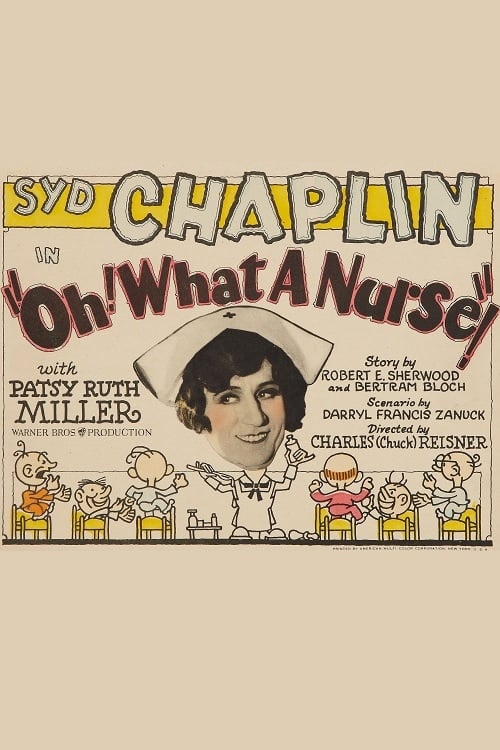
Oh! What a Nurse! is a classic example of early Hollywood slapstick comedy, prioritizing humor over social commentary. The film stays within the narrow demographic and narrative confines of its time, offering limited perspectives on diversity. The cast and themes reflect the homogeneity typical of the era. While featuring a strong female lead, the film adheres to traditional gender roles and Western social hierarchies characteristic of silent-era comedies.
Category Breakdown
The film does not include any representation of LGBTQ+ identities or same-sex relationships. It follows the traditional romantic storyline common in 1920s silent comedies.
Patsy Ruth Miller plays a prominent role, but the film likely relies on traditional gender roles where women often serve as comedic foils or damsels in distress.
The cast is predominantly white, with no indication of characters from diverse racial backgrounds having significant roles or presence in the narrative.
The story upholds Western social structures and conventional moral frameworks. It does not challenge or deconstruct these institutions or prioritize secular viewpoints.
There is no information available about the portrayal of physical or neurodivergent characters. No specific data confirms how disability is addressed in the film.
Present on Screen
Limited or Absent
Official Synopsis
Oh! What a Nurse! is a 1926 American comedy film directed by Charles Reisner and written by Darryl F. Zanuck. The film stars Sydney Chaplin, Patsy Ruth Miller, Gayne Whitman, Matthew Betz, Edith Yorke, and David Torrence. The film was released by Warner Bros. on March 7, 1926.
1926
1926
1926
1916
1919
1925
1916
1952
No reviews yet. Be the first to share your thoughts on this movie!
Use the rating form above to leave a star rating and optional review.