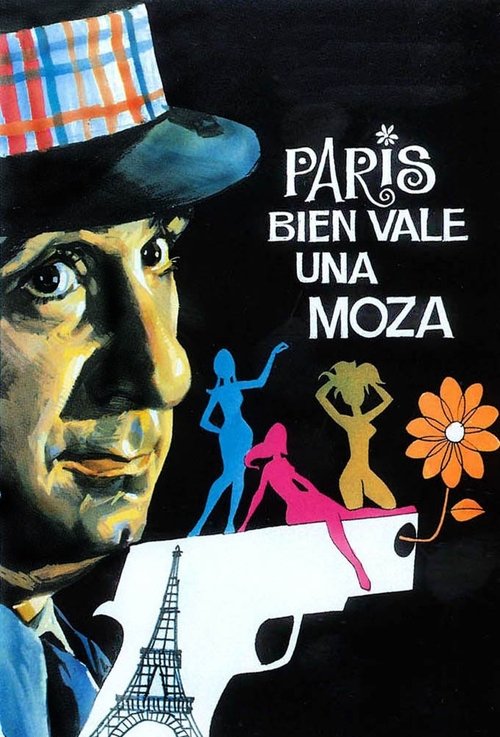
París bien vale una moza
1972
No user ratings available yet
Representation score: 1.4 out of 10
Representation Score
Minimal
1970
Director
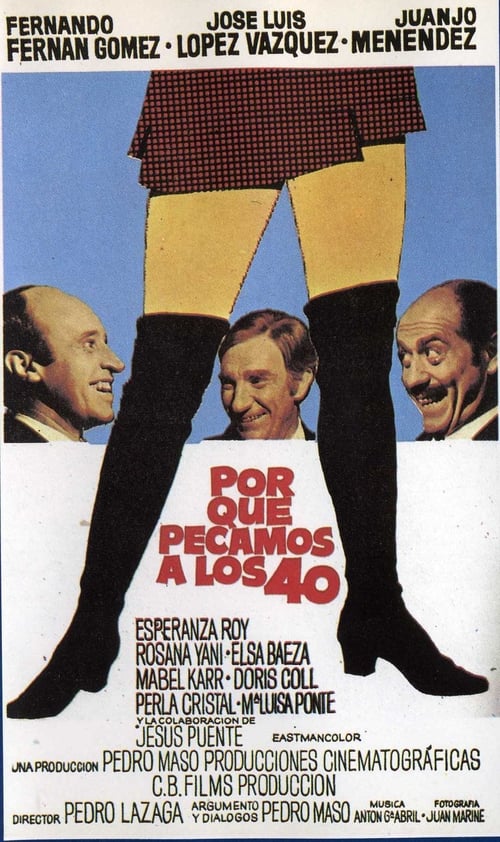
Pedro Lazaga Sabater
Runtime
107 minutes
Average Rating
No ratings yetNew Showbiz Analysis
This 1970 comedy serves as a traditional period piece that reinforces established social hierarchies. The narrative structure emphasizes a patriarchal view of social interactions, centered around mid-life crisis themes. The film lacks complexity in representing multiple aspects of identity, focusing instead on the desires of a homogeneous group of men. It relies on conventional gender dynamics that place women as secondary to the male protagonists' journeys.
Category Breakdown
The film centers on traditional male relationships and does not include any non-cisgender identities or critiques of heterosexual norms.
Men's control over the story is evident, driven by their pursuit of women. Women are shown primarily as objects of desire or as contrasts to the men's dissatisfaction, rather than as independent characters.
The cast is homogeneous, reflecting the 1970s Spanish comedy style. There is no indication of diverse casting or challenging Eurocentric norms.
The narrative supports traditional social structures and conventional morality. It focuses on individual pursuits within established social roles without challenging systemic issues.
The synopsis does not mention any characters with visible or invisible disabilities.
Present on Screen
Limited or Absent
Official Synopsis
Alejandro Quesada, an eminent doctor successful with women, drives his old friends Federico and Enrique to change their attitude towards life. The death of a common friend, Luis, reaffirmed in the attempt to enjoy their existence and seek the association of younger women than their wives.
1972
1975
1973
2001
1974
1976

1978
1974
No reviews yet. Be the first to share your thoughts on this movie!
Use the rating form above to leave a star rating and optional review.