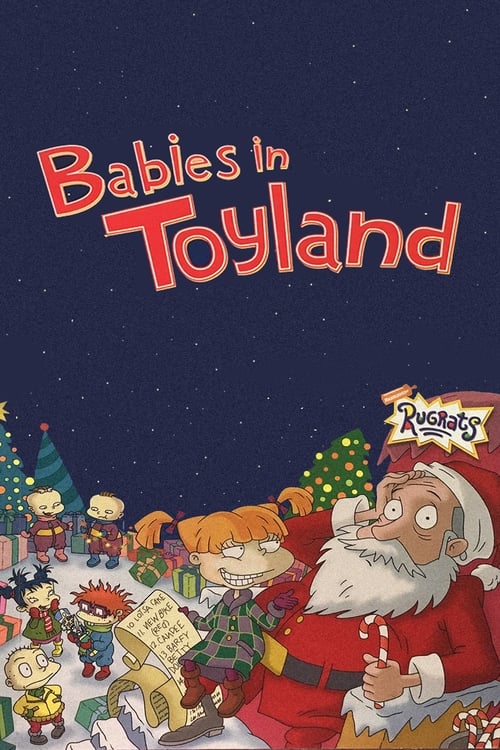
Rugrats: Babies in Toyland
2002
No user ratings available yet
Representation score: 3.9 out of 10
Representation Score
Limited
1997
Director
Toni Vian
Runtime
30 minutes
Average Rating
No ratings yetNew Showbiz Analysis
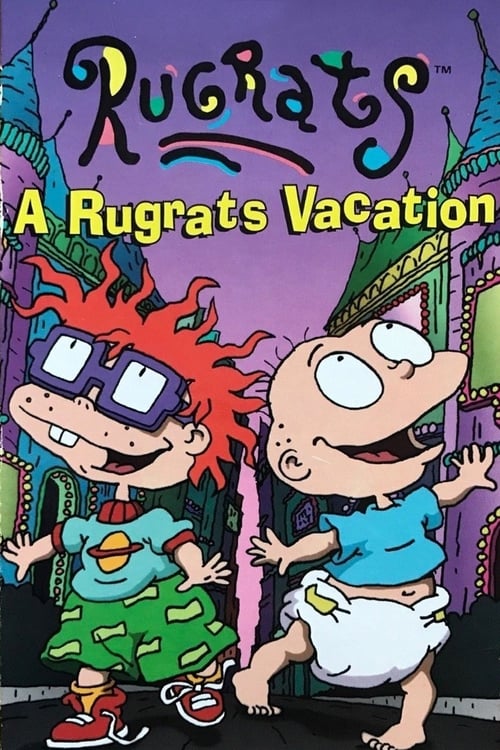
A Rugrats Vacation operates as a typical commercial narrative that offers conventional yet meaningful representation. It successfully showcases a multicultural family dynamic while avoiding harmful stereotypes through its diverse cast. However, the film stays rooted in traditional Western social norms. It does not actively challenge established hierarchies or critique societal structures. While characters like Chuckie and Angelica bring depth to their roles, the story prioritizes broad comedic appeal over deeper social exploration.
Category Breakdown
The film follows a traditional framework that assumes everyone is straight and cisgender. It does not include LGBTQ+ characters or identities that don't match the gender assigned at birth.
Mothers have significant control over travel arrangements, reflecting typical domestic roles. Angelica Pickles challenges the submissive child stereotype through her manipulative behavior.
The cast moves beyond a uniform depiction of the American middle class. Chuckie Finster highlights his ethnic background through recognizable cultural signs.
The story upholds Western social norms and middle-class lifestyles. It uses the vacation theme as a key element within a conventional social setting.
Chuckie Finster is characterized by high anxiety and uses glasses for sensory support. The film avoids turning his condition into a moral lesson or inspirational message.
Present on Screen
Limited or Absent
Official Synopsis
The adults decide to bring the babies and Angelica to Las Vegas on vacation. Tommy convinces the babies to help him find the tigers. Angelica hopes to sing while in Las Vegas.
2002
1998

2001
2018
1999
1987

2003

1997
No reviews yet. Be the first to share your thoughts on this movie!
Use the rating form above to leave a star rating and optional review.