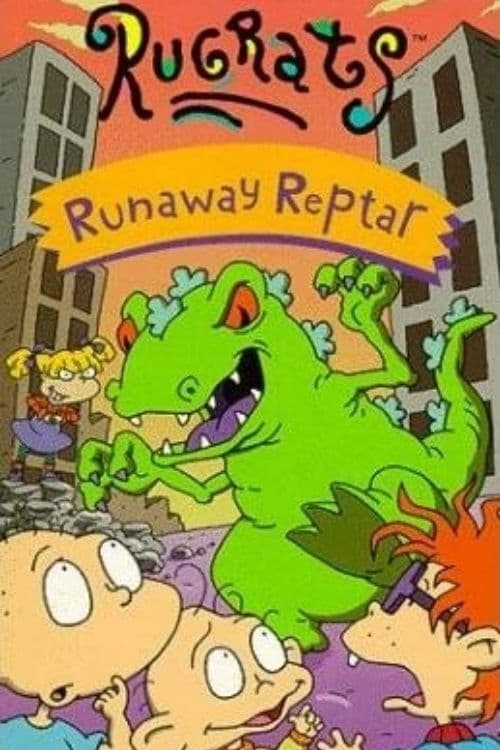
Rugrats: Runaway Reptar
1999
No user ratings available yet
Representation score: 3.8 out of 10
Representation Score
Good
2001
Director
Anthony Bell
Runtime
45 minutes
Average Rating
No ratings yetNew Showbiz Analysis
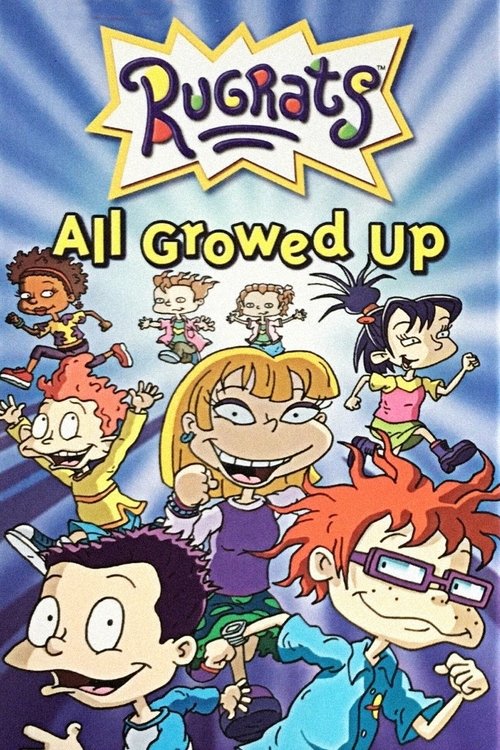
Rugrats: All Growed Up shifts the franchise from infancy to the complexities of pre-teen life. It successfully presents a multi-ethnic cast that avoids a homogeneous demographic approach, particularly through Chuckie's cultural identity. However, the film remains anchored in early-2000s social norms, lacking LGBTQ+ representation and focusing on traditional Western middle-class values. While the narrative allows for more character's ability to drive the story during adolescence, it does not delve deeply into disability or neurodivergence, adhering to standard developmental milestones.
Category Breakdown
The story centers around straight relationships and teenage crushes. It doesn't include queer romantic storylines or characters with non-binary gender identities.
Female characters play significant roles within the social structures of their school years. However, the film still leans on typical clichés about gendered peer groups.
A diverse cast reflects a variety of ethnic backgrounds in a suburban setting. Chuckie Finster’s specific cultural and religious identity adds important ethnic depth.
The film operates within a standard Western suburban context. It emphasizes traditional family stability without challenging broader societal institutions.
There is no significant focus on neurodivergence or visible disabilities. Characters are portrayed mainly through a neurotypical perspective.
Present on Screen
Limited or Absent
Official Synopsis
Will Tommy still be the gang's fearless leader? Will Chuckie survive his first "crush"? Will Angelica still be underhanded? The answers are here as the entire Rugrats gang embarks on one of their most fantastic adventures yet.
1999

2019
1997
1998
2001

2018

2002

2002
No reviews yet. Be the first to share your thoughts on this movie!
Use the rating form above to leave a star rating and optional review.