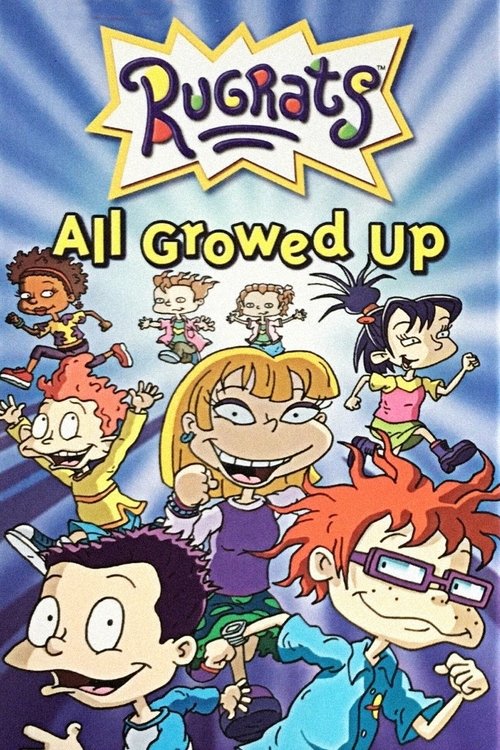
Rugrats: All Growed Up
2001
No user ratings available yet
Representation score: 6.0 out of 10
Representation Score
Limited
1999
Director
John Holmquist, Jim Duffy
Runtime
48 minutes
Average Rating
No ratings yetNew Showbiz Analysis
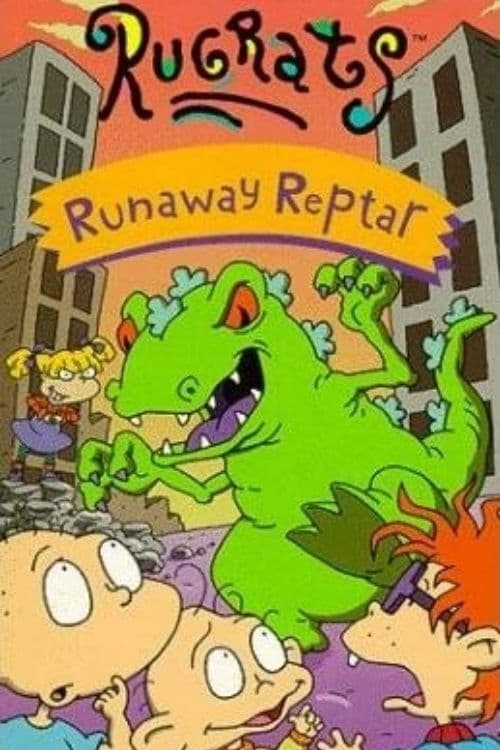
Rugrats: Runaway Reptar follows the conventions of late-90s family animation, offering a moderate level of representation through its diverse cast. However, it operates within traditional social structures and avoids complex, storytelling that reflects multiple aspects of identity. The film provides basic representation through its ensemble, especially regarding ethnic diversity and sensory disability. Yet, it lacks the nuanced, multi-layered narratives needed for a higher score. Ultimately, it relies on established narrative formulas and conventional social assumptions.
Category Breakdown
The film does not include any characters or themes related to LGBTQ+ identities. It follows the traditional assumption that everyone is straight or cisgender.
Angelica Pickles acts as a strong authority figure, reinforcing traditional gender roles rather than challenging them. The infants' play patterns reflect gender stereotypes typical of the era.
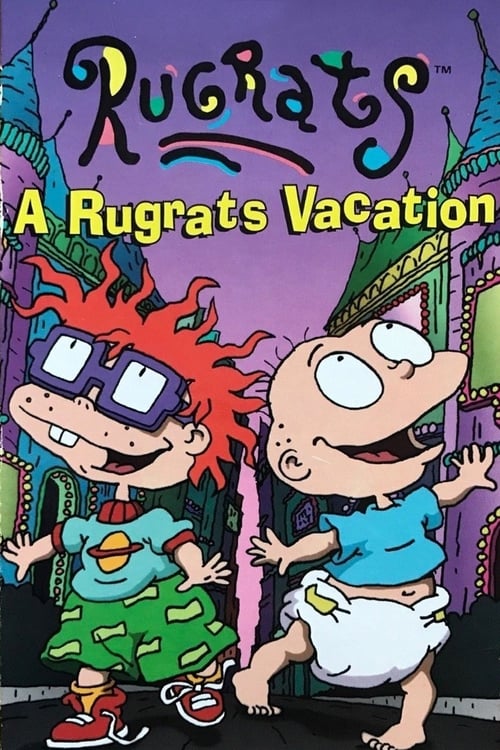
The cast includes characters like Chuckie Finster, providing a basic level of ethnic diversity. The film avoids being entirely homogeneous by featuring characters from different backgrounds.
The story focuses on middle-class suburban life and traditional family structures. It emphasizes the familiarity of home life without engaging in broader cultural critiques.
Chuckie Finster wears corrective eyewear, marking him as visually impaired. This portrayal integrates disability into his identity without making it the main focus of the plot.
Present on Screen
Limited or Absent
Official Synopsis
When they get sucked into a monster movie, the Rugrats must escape the dangerous Reptar.
2001
2018
2002
2001

2003
2000
1997

2019
No reviews yet. Be the first to share your thoughts on this movie!
Use the rating form above to leave a star rating and optional review.