Funeralopolis: A Suburban Portrait
2017
No user ratings available yet
Representation score: 5.3 out of 10
Representation Score
Fair
2011
Director
Sérgio Tréfaut
Runtime
62 minutes
Average Rating
No ratings yetNew Showbiz Analysis
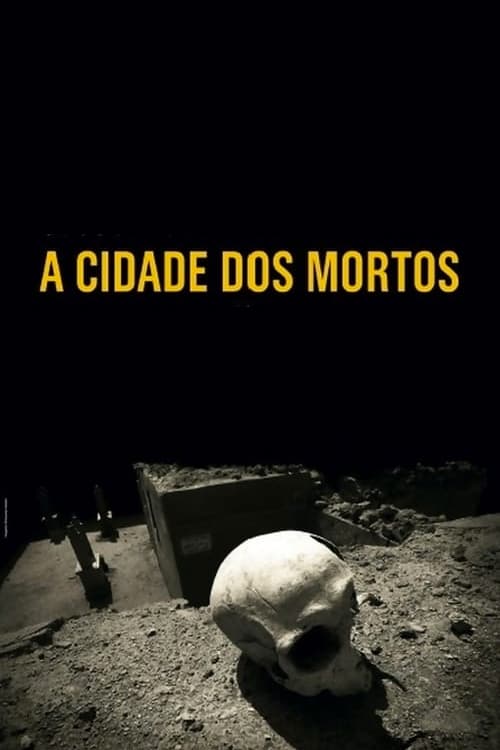
The documentary succeeds as an ethnographic study that disrupts Western expectations of urban life and sacred spaces. By centering the inhabitants of Cairo’s necropolis, it grants a significant role in driving the story to a non-Western community, allowing them to define their own economy and social structures. However, the film remains rooted in conventional social frameworks. The focus on traditional family dynamics and marriage patterns suggests a narrative that observes existing social hierarchies rather than actively challenging them or exploring queer identities. Ultimately, the work's strength lies in its ability to challenge the outsider gaze. It replaces the spectacle of death with a complex, lived reality of a self-sustaining community.
Category Breakdown
The film focuses on traditional social structures within the Cairo necropolis. There is no explicit mention of LGBTQ+ characters or narratives addressing non-straight relationships.
The documentary highlights women managing households, markets, and family dynamics. While it showcases women's roles in sustaining the community, it largely observes existing gender hierarchies.
The film excels by centering a non-Western, non-Anglo-Saxon majority cast. It provides deep ability to act to the inhabitants, allowing them to define their own reality and social structures.
The narrative challenges Western views of sacred spaces by portraying the cemetery as a vibrant center of commerce and life. It presents a community thriving through unconventional means.
There is no specific evidence regarding the portrayal of physical or neurodivergent disabilities within the film.
Present on Screen
Limited or Absent
Official Synopsis
The City of the Dead, in Cairo, is the biggest necropolis in the world. One million inhabitants live there: in the tomb houses or in the buildings that have grown up around the tombs. We can find bakeries, coffee shops, markets, school for the children, mechanics for the cars. Everything inside the cemetery. The City of the Dead is gigantic but it feels like a small village. Mothers want to marry their daughters, boys keep chasing the girls. These things never change. It doesn't matter if you live in a big city, in a village or in a cemetery.
2017
1978
2016
2000
2005

2010
2009

2017
No reviews yet. Be the first to share your thoughts on this movie!
Use the rating form above to leave a star rating and optional review.