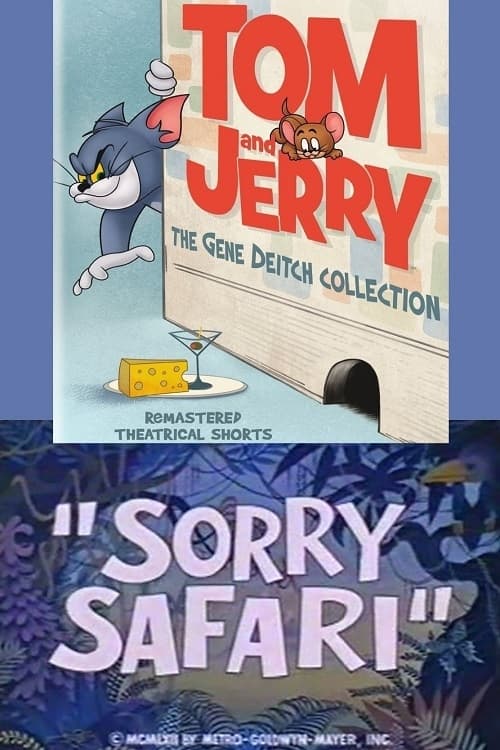
Sorry Safari
1962
No user ratings available yet
Diversity score: 1.6 out of 10
1960
TV-GDirector
Gene Deitch
Runtime
6 minutes
Average Rating
No ratings yetSynopsis
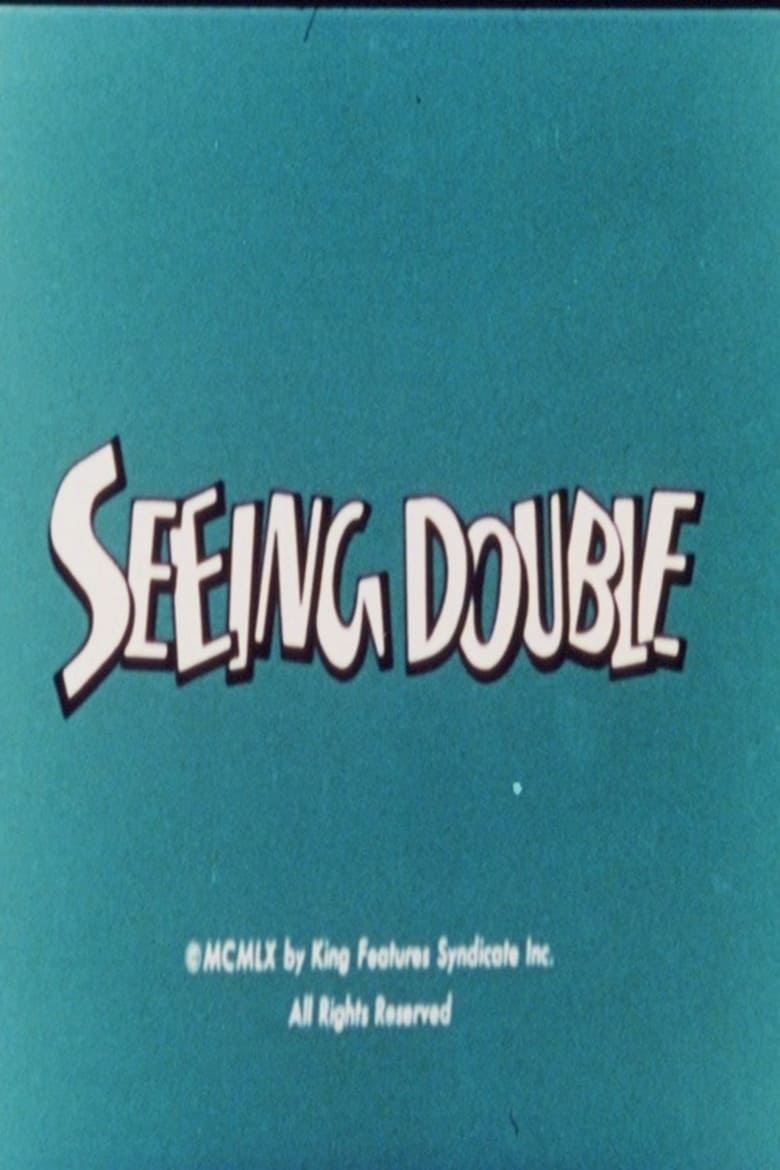
Popeye is jailed for committing a bank robbery which he insists he didn't commit. He must prove he didn't do it. In a seemingly unrelated subplot, two thugs build a Popeye robot to do their bidding.
Overall Score
Limited
Category Breakdown
LGBTQ+ Representation
The film lacks any mention of non-cisnormative identities or same-sex intimacy. The plot focuses entirely on standard comedic conflicts between the protagonist and antagonists.
Gender Representation
The story centers on male archetypes, specifically a male hero and male thugs. There is no evidence of female characters possessing agency or subverting traditional hierarchies.
Racial & Ethnic Diversity
The narrative does not indicate a diverse cast or varied ethnic backgrounds. It appears to follow the homogeneous casting standards typical of the 1960s Popeye franchise.
Religious & Cultural Diversity
The film operates within a traditional Western framework of justice and crime. The conflict is a personal quest for exoneration rather than a critique of systemic institutions.
Disability Representation
There is no evidence regarding the portrayal of physical or neurodivergent disabilities within the film's narrative.
Strengths
Areas for Improvement
AI Analysis
Seeing Double is a conventional mid-century animated comedy that relies on established slapstick tropes. The plot follows a protagonist facing a legal injustice and a mechanical subplot involving a robot. The film lacks complexity regarding intersectional identities. It adheres to the character archetypes and thematic constraints common to its era, focusing on individual innocence rather than social critique. Ultimately, the work functions as a standard genre piece without engaging in the subversion of traditional social hierarchies.
1962
1951
1996
1965
1948
1969
1954
1953
1965
1965
1965
1965
No reviews yet. Be the first to share your thoughts on this movie!
Use the rating form above to leave a star rating and optional review.