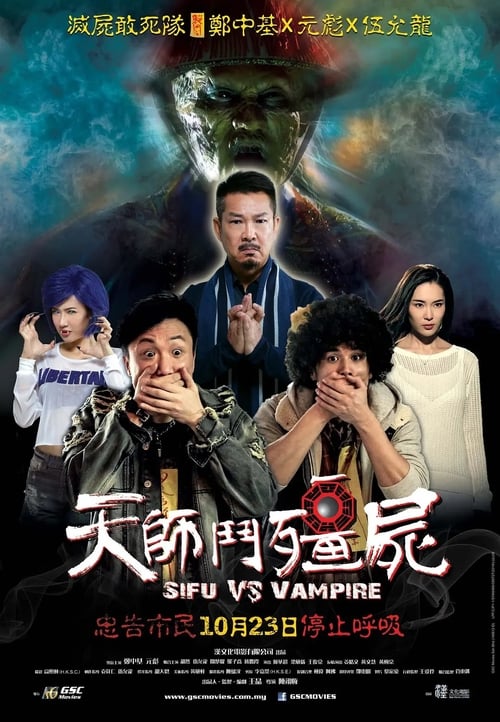
Sifu vs. Vampire
2014
No user ratings available yet
Representation score: 4.9 out of 10
Representation Score
Fair
2013
Not RatedDirector
Juno Mak
Runtime
105 minutes
Average Rating
No ratings yetNew Showbiz Analysis
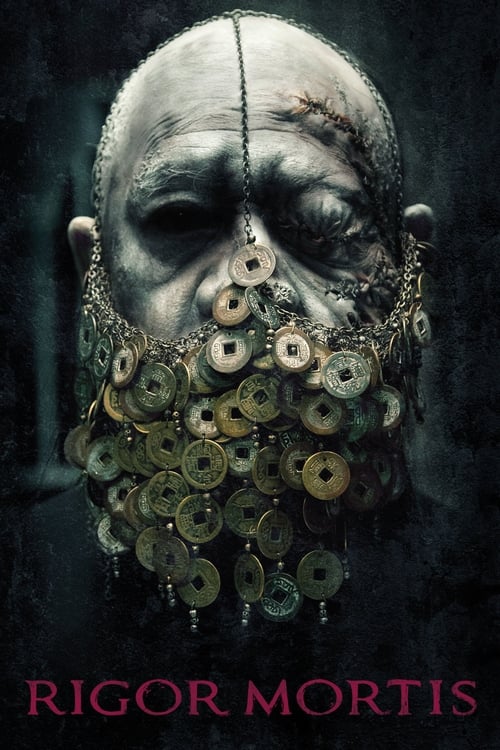
Rigor Mortis is a stylized, postmodern horror that prioritizes atmospheric tension and cultural critique over demographic breadth. It succeeds in reclaiming Cantonese folklore through the Jiangshi, offering a deep immersion into local traditions that challenge Western horror norms. However, the film struggles with traditional representation. character's ability to drive the story is often limited by gendered clichés, and the narrative lacks LGBTQ+ or disability-focused perspectives. The focus remains on psychological disintegration and existential dread within a hyper-capitalist landscape. Ultimately, the film's strength lies in its sophisticated social commentary. While it lacks multi-layered diversity, its deconstruction of modern institutional structures provides a rich, culturally specific experience.
Category Breakdown
The film does not feature prominent LGBTQ+ characters or narratives. Interpersonal dynamics center around singular obsessions and traditional romantic fixations, without any queer-coded subtext.
Gender dynamics remain traditional and male-centric. Female characters often serve as supernatural catalysts or objects of obsession rather than independent agents.
The cast is ethnically homogeneous, reflecting a specific Hong Kong setting. It avoids Westernized clichés by embracing localized Cantonese horror traditions.
The film excels by critiquing hyper-capitalism and urban decay. It uses local folklore to deconstruct modern social structures and spiritual emptiness.
There is no intentional representation of physical or neurodivergent disabilities. Psychological instability serves as a horror plot driver rather than a nuanced exploration.
Present on Screen
Limited or Absent
Official Synopsis
When a former actor moves into an apartment building with the intention of commiting suicide, he is saved by a Taoist priest who used to specialize in hunting Chinese hopping vampires: or Jiāngshī. Elsewhere in the building, a woman turns to a specialist in black magic to bring her husband back to life.
2014
1985
1987

2000
1989
1988
1982
1983
No reviews yet. Be the first to share your thoughts on this movie!
Use the rating form above to leave a star rating and optional review.