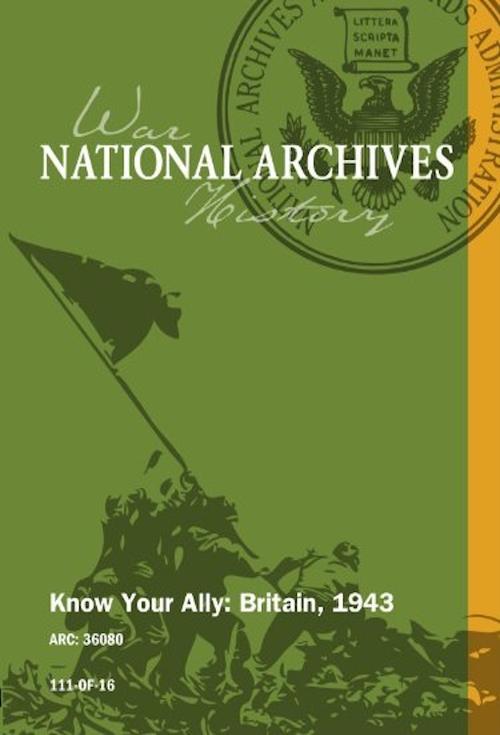
Know Your Ally: Britain
1944
No user ratings available yet
Representation score: 0.3 out of 10

Representation Score
Minimal
1944
NRDirector
Alfred Hitchcock
Runtime
4 minutes
Average Rating
No ratings yetNew Showbiz Analysis
The Fighting Generation serves primarily as a tool for institutional reinforcement. Produced for the U.S. Treasury Department, its goal is to stabilize social structures to support a wartime economy through war bond sales. The film lacks complexity in representing diverse identities, instead operating as a medium for period-specific nationalistic and traditionalist values. It prioritizes a unified, homogeneous image of America to drive domestic support. Consequently, the work functions to uphold existing hierarchies rather than challenge them, resulting in a low diversity score across most categories.
Category Breakdown
The film does not include any LGBTQ+ identities, reflecting the strict social norms of the 1940s.
Jennifer Jones portrays a nurse's aide, emphasizing women's involvement in the war effort. However, these roles likely reinforce traditional gender hierarchies by focusing on nurturing and supportive capacities.
The production likely reflects the social constraints of the 1940s. It appears to prioritize a homogeneous American identity to foster national unity during the war.
The narrative focuses on promoting patriotism and state-driven capitalism to boost war bond sales. It reinforces established social orders and national cohesion rather than challenging them.
While the wartime medical setting may involve injured characters, there is no evidence of meaningful ability to act for disabled characters. Portrayals likely rely on standard period clichés regarding physical injuries.
Present on Screen
Limited or Absent
Official Synopsis
A 1944 propaganda short film produced for the U.S. Treasury Department and intended to boost war bond sales, directed by an uncredited Alfred Hitchcock and starring Jennifer Jones as a nurse's aide. Preserved by the Academy Film Archive, from the Academy War Film Collection, in 2008.
1944

1942

1944

1944

1942
1950
1942
1942
No reviews yet. Be the first to share your thoughts on this movie!
Use the rating form above to leave a star rating and optional review.