Bwana
1996
No user ratings available yet
Diversity score: 6.7 out of 10
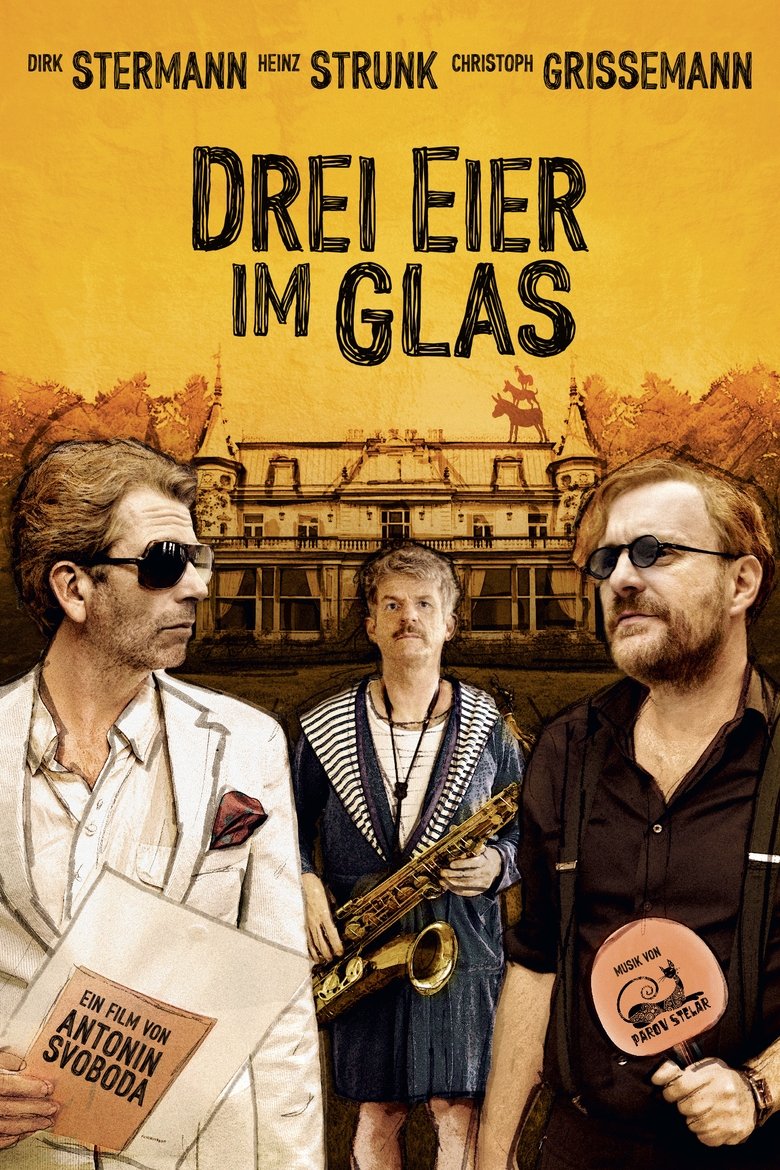
2015
Director
Antonin Svoboda
Runtime
92 minutes
Average Rating
No ratings yetSynopsis
According to an African fairy tale, every child receives a song from their parents that they carry with them throughout their lives. Richard, an orphaned Tanzanian immigrant, has never had his own song. How he got one before his unexpected death and the significant, though unintended, roles played by the dark-tourism entrepreneur Drakuhl, the gray-haired hair model Barney and the heavy-drinking music teacher Kiesel won't be revealed here. Merely that the song Dead Man Play becomes an international hit.
Overall Score
Good
Category Breakdown
LGBTQ+ Representation
The film lacks explicit evidence of queer identities or non-cisnormative characters. While interpersonal dynamics appear complex, there is no clear critique of heteronormativity present.
Gender Representation
The narrative centers on a male-dominated ensemble, including Richard, Drakuhl, Barney, and Kiesel. There is no visible evidence of female agency or the subversion of gender hierarchies.
Racial & Ethnic Diversity
The story centers on a Tanzanian immigrant, providing a strong platform for racial agency. Using African folklore as a structural foundation disrupts traditional Western storytelling tropes.
Religious & Cultural Diversity
The film explores the tension between traditional heritage and modern Western structures. It utilizes non-Western epistemologies to navigate themes of systemic displacement and cultural commodification.
Disability Representation
There is no information available regarding characters with visible or invisible disabilities. Consequently, no assessment of disability representation can be made.
Strengths
Areas for Improvement
AI Analysis
Drei Eier im Glas distinguishes itself through a narrative architecture that prioritizes the immigrant experience. By centering a Tanzanian protagonist and utilizing African folkloric frameworks, the film moves away from homogeneous, Western-centric storytelling to explore themes of identity and diaspora. However, the film's diversity is unevenly distributed. While the racial and cultural elements are robust, the character ensemble appears heavily male-dominated, leaving little room for gender-diverse perspectives or female agency. The lack of information regarding LGBTQ+ identities or disability representation also limits the film's overall inclusive impact. Ultimately, the work succeeds as a cultural exploration of heritage and displacement, even if it remains narrow in its portrayal of other social identities.
1996
2016
2018
2014
2000

2024
2004
2017
2019
2019
2007
1950
No reviews yet. Be the first to share your thoughts on this movie!
Use the rating form above to leave a star rating and optional review.