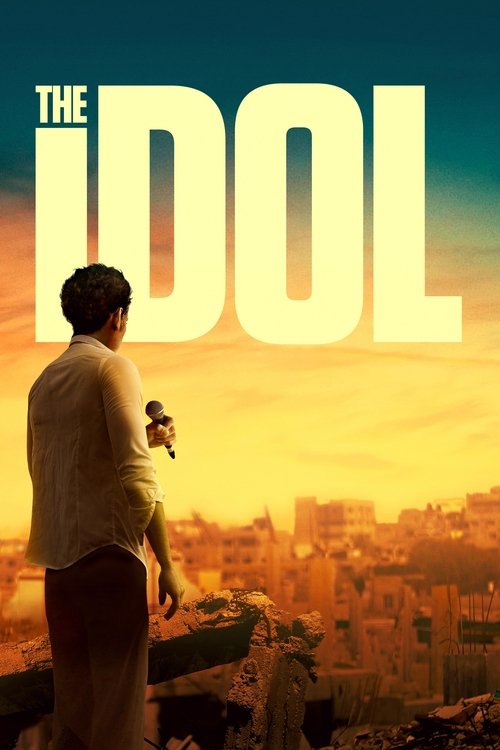
The Idol
2016
No user ratings available yet
Diversity score: 6.7 out of 10
2004
Director
Reza Bagher
Runtime
105 minutes
Average Rating
No ratings yetSynopsis
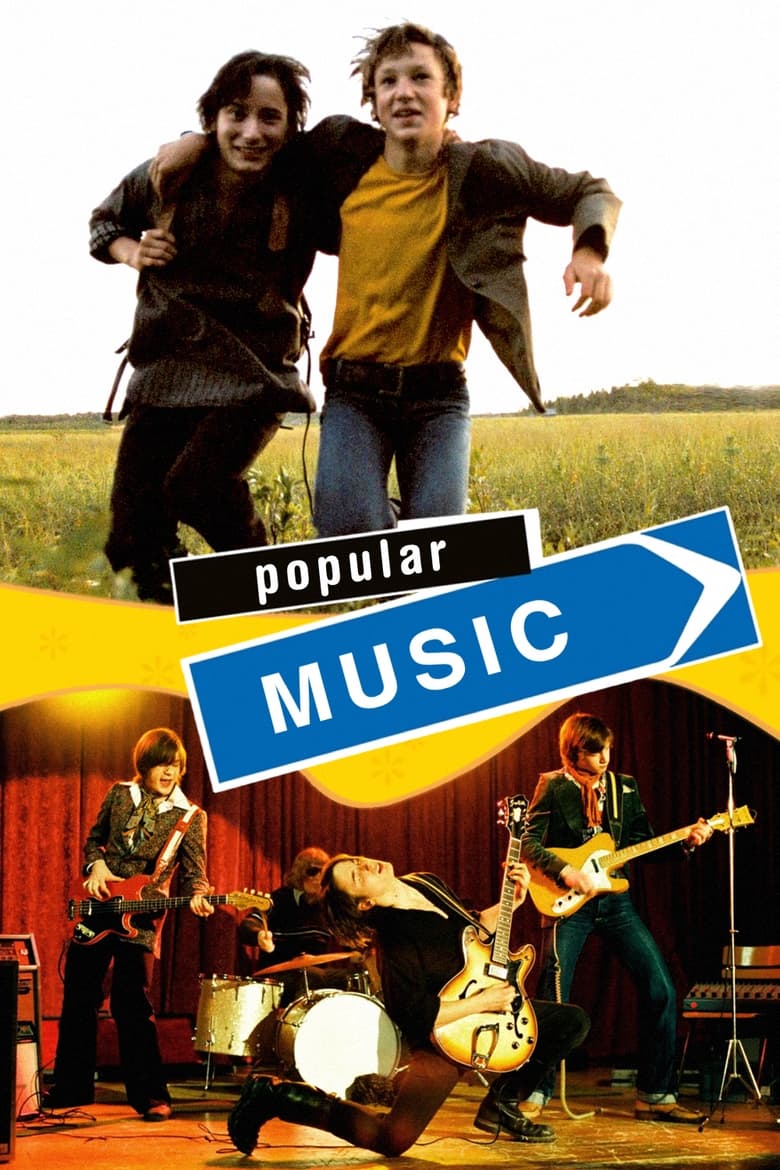
Matti and Niila, growing up in the mid-sixties in the harsh and conservative environment of a Finnish-speaking part of Tornedalen in Swedish Laponia, close to the Finnish border. Their big dream is to become rock stars. In the present the now grown-up Matti feels guilt for the death of his drug-addicted rock star friend Niila.
Overall Score
Fair
Category Breakdown
LGBTQ+ Representation
The film explores identity and rebellion within a restrictive social environment. However, it lacks explicit queer-centric plot drivers or confirmed non-heteronormative romantic arcs.
Gender Representation
The narrative centers on male protagonists pursuing non-traditional paths like rock stardom. This focus suggests a departure from rigid masculine archetypes despite the male-driven agency.
Racial & Ethnic Diversity
The story excels by centering the Finnish-speaking population of Tornedalen. This disrupts homogeneous Nordic depictions by highlighting a specific, often overlooked borderland culture.
Religious & Cultural Diversity
The film challenges social norms by pitting youthful aspirations against a harsh, conservative environment. It offers a nuanced, non-idealized view of social struggle and emotional truth.
Disability Representation
Substance abuse is a significant thematic driver through the character of Niila. The portrayal risks using addiction as a tragic plot device rather than exploring chronic health agency.
Strengths
Areas for Improvement
AI Analysis
Popular Music (2004) distinguishes itself through a strong commitment to ethnic and linguistic intersectionality. By focusing on the Finnish-speaking minority in Swedish Laponia, it provides a rare and deep look at borderland identities that challenge standard Scandinavian cinematic tropes. While the film succeeds in cultural and ethnic representation, it remains limited in other areas. The narrative lacks overt LGBTQ+ characterizations and relies on male-centric agency. Additionally, the depiction of disability through addiction feels more like a tragic plot element than a nuanced study of health agency. Ultimately, the film is a powerful study of regional identity and the friction between localized traditions and broader cultural movements.
2016
2011

2017

2002
2017
2020

2000
2011
2008
2010

2016
2003
No reviews yet. Be the first to share your thoughts on this movie!
Use the rating form above to leave a star rating and optional review.