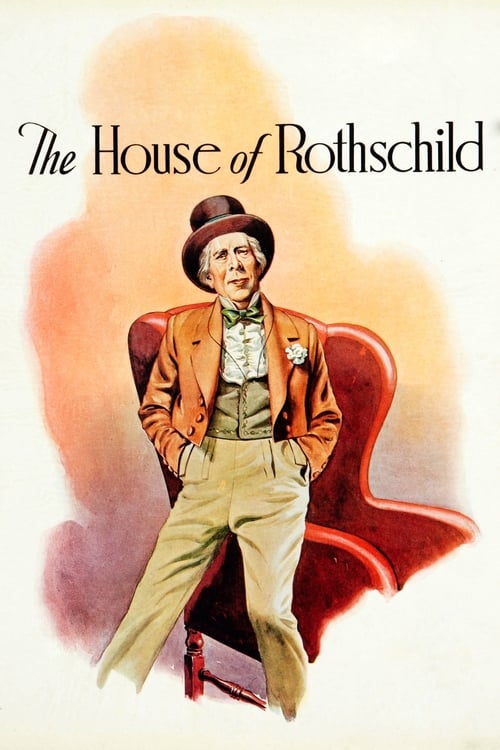
The House of Rothschild
1934
No user ratings available yet
Representation score: 2.1 out of 10

Representation Score
Limited
1940
Director
Erich Waschneck
Runtime
97 minutes
Average Rating
No ratings yetNew Showbiz Analysis
The film stands out by focusing on a Jewish family's rise to prominence during a pivotal period in European history. This sets it apart from typical depictions of the era's nobility. However, the narrative is shaped by the conventions of 1940 cinema. It emphasizes male-driven economic and political power, leaving little room for exploring diverse gender roles or multi-layered themes. Overall, while the film introduces ethnic diversity, it adheres to the traditional social hierarchies and assumptions of its time.
Category Breakdown
The film does not include any characters with non-binary gender identities or same-sex relationships. It follows traditional structures that assume everyone is straight and cisgender.
The story focuses on male-led economic and political activities during the Napoleonic era. Female characters are likely confined to domestic or supporting roles rather than being central figures in the banking empire.
The film highlights a Jewish family, which offers a contrast to the usual depiction of European nobility. However, its portrayal is limited by the historical context of 1940.
The movie explores financial and political power but likely upholds traditional class hierarchies. Given its production era, it probably does not challenge Western institutions or promote secular ideas.
There are no characters with visible or invisible disabilities mentioned in the film.
Present on Screen
Limited or Absent
Official Synopsis
Biopic about the Rothschilds, a Jewish family whose members rose to the top of the European banking community during the Napoleonic era.
1934

1970

1988

1937
1935
1969

1940

2008
No reviews yet. Be the first to share your thoughts on this movie!
Use the rating form above to leave a star rating and optional review.