If You Die, I'll Kill You
2011
No user ratings available yet
Representation score: 6.6 out of 10
Representation Score
Fair
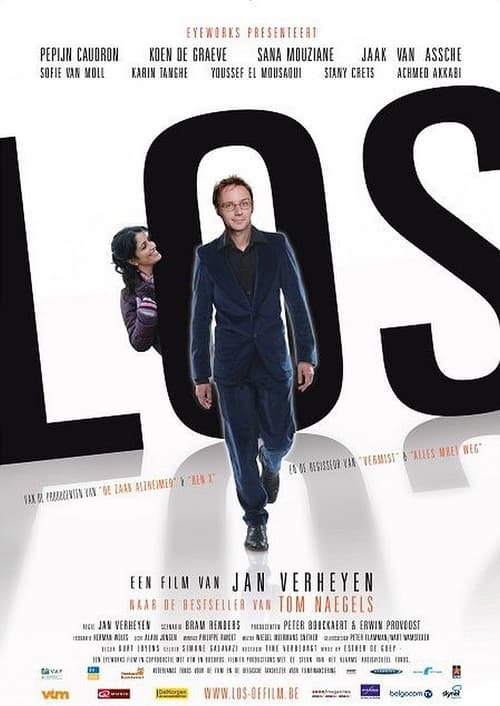
2008
Director
Jan Verheyen
Runtime
100 minutes
Average Rating
No ratings yetNew Showbiz Analysis
Cut Loose uses a central protagonist to explore the tensions between Western comforts and a globalized society. By introducing themes like migration and bodily autonomy, the film challenges established social norms. The narrative successfully employs diverse characters to question Western social constructs. It moves away from simple moral binaries to a more nuanced view of global issues. While the film lacks queer representation, it offers a progressive framework by questioning traditional life milestones and engaging with systemic realities.
Category Breakdown
The film does not include explicit LGBTQ+ characters or non-straight relationships. It focuses on disrupting a traditional romantic relationship rather than challenging the assumption that everyone is straight.
Nadia, a refugee, plays a key role in the protagonist's development, giving her significant influence in the story. However, the main conflict revolves around the male protagonist's personal struggle.
The story centers on the interaction between a Western journalist and Nadia, a Pakistani refugee. This highlights the complexities of multiculturalism in a modern urban setting.
The film explores themes like bodily autonomy through a grandfather's fight for the right to die. It also looks at the tension between individual beliefs and broader societal structures.
The film does not portray any physical or neurodivergent disabilities. The narrative focuses on socio-political and existential themes.
Present on Screen
Limited or Absent
Official Synopsis
A journalist is about to settle with his girlfriend when his life and views get shaken up by the young and beautiful Pakistani refugee Nadia. At work his ideals are more and more confronted with the harsh reality of modern urban society, while his flamboyant grandfather fights his last personal battle - a battle for his right to die.
2011

2020
2000
2011
1997
2000
2021
1992
No reviews yet. Be the first to share your thoughts on this movie!
Use the rating form above to leave a star rating and optional review.