The Comedian
2016
No user ratings available yet
Representation score: 1.9 out of 10
Representation Score
Fair
2002
PG-13Director
Woody Allen
Runtime
112 minutes
Average Rating
No ratings yetNew Showbiz Analysis
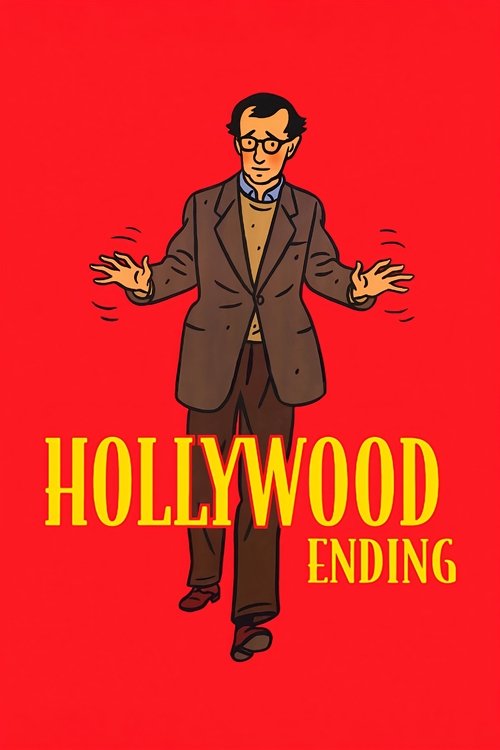
Hollywood Ending is a character-driven comedy that prioritizes individual psychological complexity over broader social representation. The film's focus on the neuroses of a washed-up director keeps the narrative confined to a narrow demographic. While the film successfully deconstructs the 'stable leader' archetype by portraying male protagonists as neurotic and indecisive, it fails to engage with broader social diversity. The lack of racial, LGBTQ+, and multi-layered breadth results in a narrow social scope. Ultimately, the work operates within conventional social frameworks. It offers a study of personal morality and romantic dysfunction rather than a progressive exploration of diverse identities or structural power dynamics.
Category Breakdown
The film focuses on heterosexual relationships and the conflicts surrounding marriage and divorce. It lacks any storyline centered around LGBTQ+ individuals or non-binary gender identities.
The narrative challenges traditional male roles by depicting the protagonist as neurotic and incompetent. However, it does not offer a broad critique of gender hierarchies or structural issues.
The cast is primarily composed of white actors, representing an upper-middle-class urban setting. The story lacks diverse ethnic perspectives, reinforcing a homogeneous social environment.
The film emphasizes urban neurosis over strict religious morality. It functions as a character study within existing social structures without offering overt cultural critiques.
Psychological neurosis is used as a comedic or dramatic device. There is no evidence of characters with disabilities playing a significant role in the narrative.
Present on Screen
Limited or Absent
Official Synopsis
Woody Allen stars as Val Waxman, a two-time Oscar winner turned washed-up, neurotic director in desperate need of a comeback. When it comes, Waxman finds himself backed into a corner: Work for his ex-wife Ellie or forfeit his last shot. Is Val blinded by love when he opts for the reconnect? Is love blind when it comes to Ellie's staunch support? Literally and figuratively, the proof is the picture.
2016
1972

1986
1998

2013
1997
1996
1988
No reviews yet. Be the first to share your thoughts on this movie!
Use the rating form above to leave a star rating and optional review.