
Lured Innocence
1998
No user ratings available yet
Representation score: 1.8 out of 10
Representation Score
Fair
1982
Director
Eiichi Kudō
Runtime
119 minutes
Average Rating
No ratings yetNew Showbiz Analysis
The Dropout is a gritty character study that finds its strength in subverting sanitized social morality. By focusing on social outcasts and institutional failure, it avoids the idealized clichés of more conservative cinema. However, the film lacks intentionality regarding diverse representation. It relies on traditional masculine archetypes and uses psychological instability as a narrative tool rather than exploring neurodivergence with nuance. Ultimately, the work functions as a noir-adjacent thriller that explores the friction between individual impulse and rigid social structures, though it remains largely homogeneous in its casting and identity exploration.
Category Breakdown
The film centers on straight relationships, focusing on infidelity and traditional marriage. It lacks any exploration of LGBTQ+ identities or non-binary gender experiences.
The female protagonist plays a significant role in driving the story as a sex worker, yet the narrative remains anchored to a volatile masculine archetype. Power dynamics are driven by male decisions.
The cast appears homogeneous, reflecting its 1980s Japanese domestic setting. The narrative focuses on social class rather than ethnic or racial diversity.
The film critiques institutional authority by depicting a detective operating outside official police sanction. It explores social transgression rather than systemic issues related to religion or culture.
There is no meaningful representation of disability. The focus on a psychopathic killer risks using mental instability as a mere plot device for tension.
Present on Screen
Limited or Absent
Official Synopsis
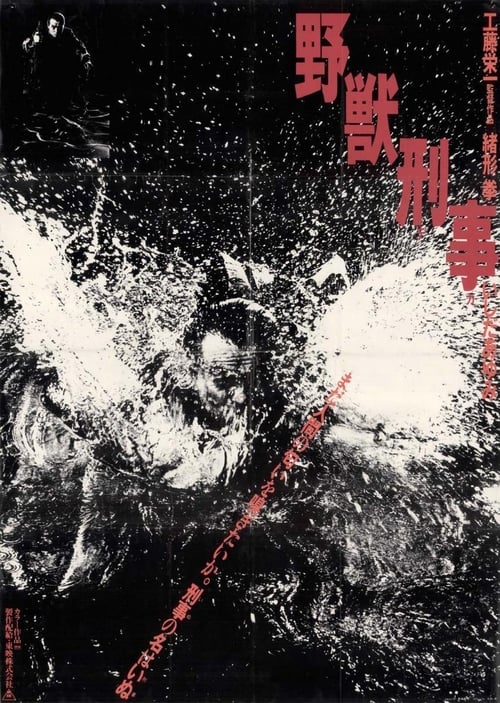
Detective Seiji Otaki is determined to find the psychopathic killer of a young woman who was ostensibly a student but in reality a high-priced prostitute. Even though he has been taken off the case for beating up a suspect, he refuses to let it go and recruits his mistress to act as a decoy for the killer. Her involvement turns out to be a fatal mistake, and when her husband gets out of prison, Detective Otaki is in worse trouble than ever.
1998

2011

1994
1949
1990

1971
1993

1984
No reviews yet. Be the first to share your thoughts on this movie!
Use the rating form above to leave a star rating and optional review.