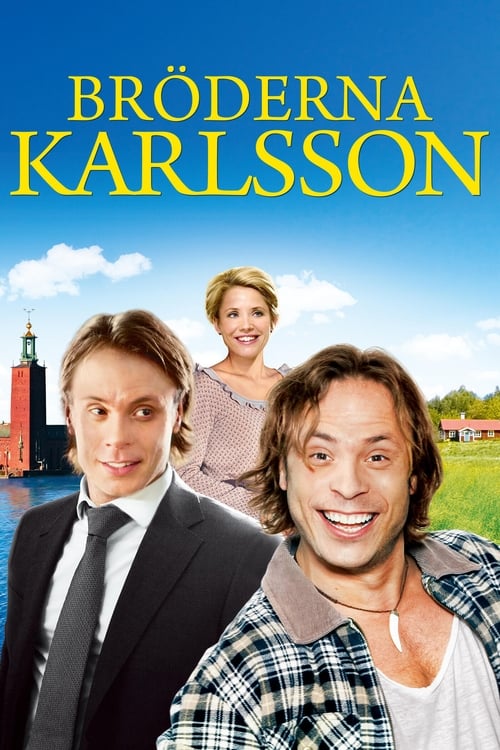
The Karlsson Brothers
2010
No user ratings available yet
Representation score: 2.9 out of 10
Representation Score
Fair
1992
PG-13Director
Adam Rifkin
Runtime
94 minutes
Average Rating
No ratings yetNew Showbiz Analysis
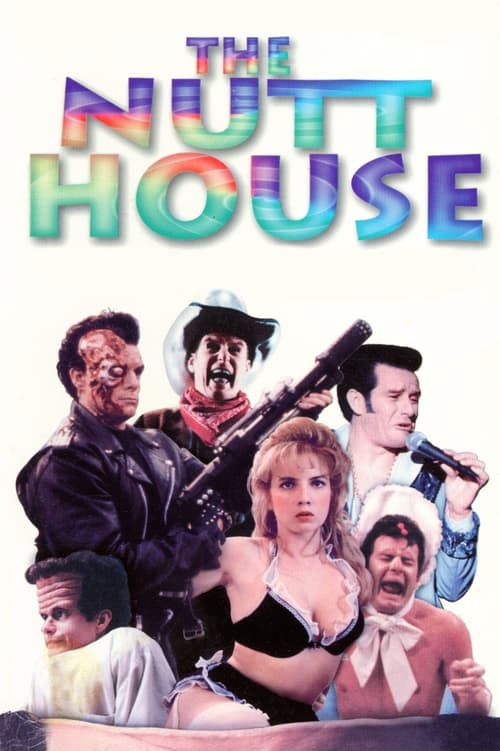
The film operates as a genre-driven comedy that prioritizes slapstick and situational absurdity over deeper social critique. While it challenges the sanctity of institutional authority, it lacks multi-layered depth. The narrative structure remains traditional, focusing on a male-centric cast and adhering to the social hierarchies typical of its era. Ultimately, the film's subversion lies in its rejection of institutional order rather than a structured deconstruction of identity politics or systemic oppression.
Category Breakdown
The film features a male-dominated ensemble of inmates. There is no evidence of diverse gender identities or same-sex relationships, sticking to traditional assumptions about gender and sexuality.
The cast is predominantly male. The narrative lacks strong roles for women and nuanced gender dynamics, relying on conventional stereotypes.
The production reflects a homogeneous cast typical of early 90s comedies. There is no indication of diverse casting or a non-white majority.
The film critiques institutional authority by focusing on escaped inmates. It portrays traditional social structures and psychiatric institutions as absurd rather than stable.
Characters are defined by their mental health status within a psychiatric facility. The portrayal leans toward the absurdist, using mental illness primarily as a comedic device.
Present on Screen
Limited or Absent
Official Synopsis
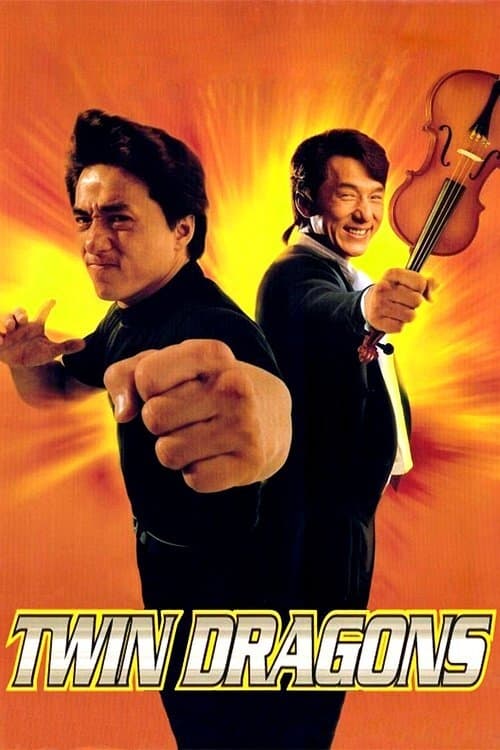
Two identical twins, separated since infancy, meet after 30 years causing a series of mistaken identity and crisis for all involved.
2010
1992
2013
1988

2022

1961
1964
1988
No reviews yet. Be the first to share your thoughts on this movie!
Use the rating form above to leave a star rating and optional review.