Raintree County
1957
No user ratings available yet
Representation score: 1.8 out of 10
Representation Score
Limited
1957
ApprovedDirector
Raoul Walsh
Runtime
125 minutes
Average Rating
No ratings yetNew Showbiz Analysis
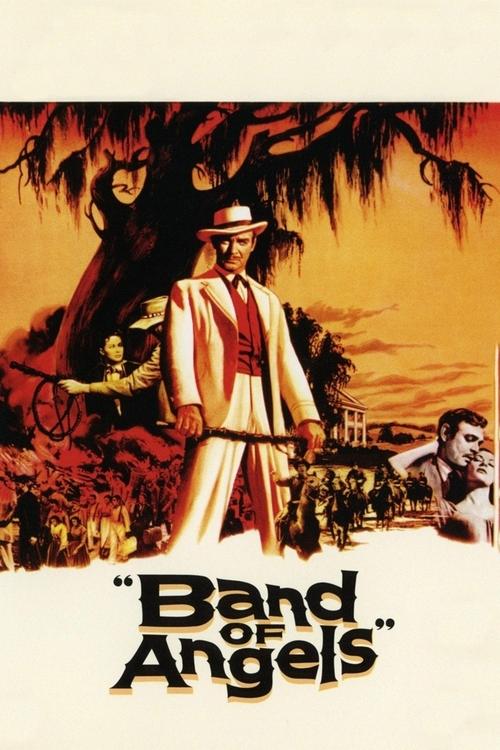
Band of Angels is a historical drama that uses a personal crisis to critique the systemic inequities of the American South. While it remains bound by the cinematic conventions of 1957, it actively challenges the period’s standard social hierarchies. The film’s strength lies in its disruption of the homogeneity of the white plantation class. Through the intersection of race and class, it offers a more nuanced view of social structures compared to many contemporary films. However, the film remains limited by a male-dominated framework, with traditional gender hierarchies preventing a more balanced representation of its female lead’s journey.
Category Breakdown
The film does not include any LGBTQ+ characters or non-straight relationships. It follows traditional romantic structures and male bonds.
The story focuses mainly on male characters, emphasizing a brotherhood among men. Although Amantha Starr experiences a significant personal journey, the plot is driven by male figures.
The film breaks down mid-century racial stereotypes by highlighting racial integration and the dismantling of the Southern caste system. It gives characters of color meaningful roles through cross-racial cooperation.
The story criticizes the Southern plantation economy and rigid social hierarchies. It portrays goodness as a matter of personal conduct rather than institutional or religious standing.
There are no prominent depictions of visible or invisible disabilities that significantly impact the narrative or serve as central character arcs.
Present on Screen
Limited or Absent
Official Synopsis
Living in Kentucky prior to the Civil War, Amantha Starr is a privileged young woman. Her widowed father, a wealthy plantation owner, dotes on her and sends her to the best schools. When he dies suddenly Amantha's world is turned upside down. She learns that her father had been living on borrowed money and that her mother was actually a slave and her father's mistress.
1957
1938
2000

1965
1939
1941
1961
1942
No reviews yet. Be the first to share your thoughts on this movie!
Use the rating form above to leave a star rating and optional review.