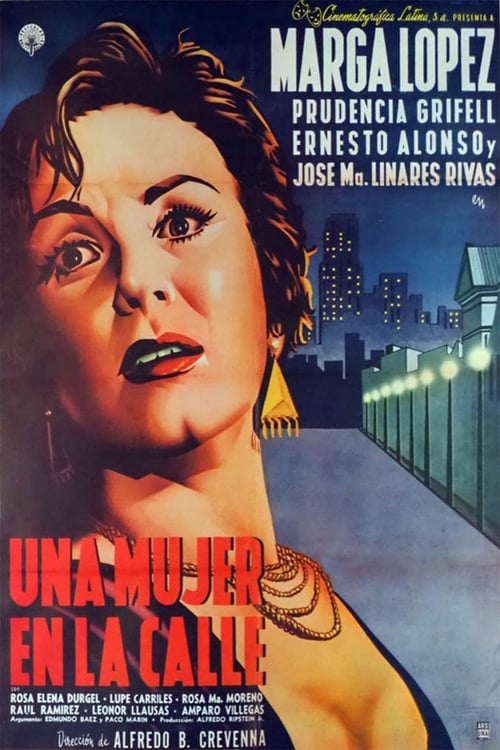
Una mujer en la calle
1955
No user ratings available yet
Diversity score: 3.8 out of 10

1956
NRDirector
Charles Martin
Runtime
119 minutes
Average Rating
No ratings yetSynopsis
A Czech refugee uses women to advance his business interest.
Overall Score
Fair
Category Breakdown
LGBTQ+ Representation
The film contains no LGBTQ+ characters or themes. The plot relies entirely on traditional romantic and social manipulation frameworks.
Gender Representation
The narrative disrupts typical hierarchies by granting the female lead agency and complexity. Mario's performative masculinity further undermines the era's standard of the stable male leader.
Racial & Ethnic Diversity
Elsa Lanchester’s casting as a wealthy socialite provides a notable instance of race-blind casting. This choice disrupts the homogeneous depiction of European elites common in period dramas.
Religious & Cultural Diversity
The film critiques upper-class pretension through a comedy of manners. However, it seeks a traditional moral resolution rather than offering a systemic critique of social structures.
Disability Representation
There are no visible or invisible disabilities portrayed within the primary character arcs or the supporting cast.
Strengths
Areas for Improvement
AI Analysis
Death of a Scoundrel functions as a character study on socioeconomic mobility. It succeeds in subverting some 1950s tropes, particularly through its gender dynamics and unconventional casting choices. The film's strength lies in its refusal to treat its female lead as a passive victim. By giving her complexity, the story complicates the protagonist's exploitative schemes. However, the work remains tethered to the moral frameworks of its time. It lacks representation for LGBTQ+ identities and disabilities, and its social critique remains surface-level.
1955
1958
1965
1956
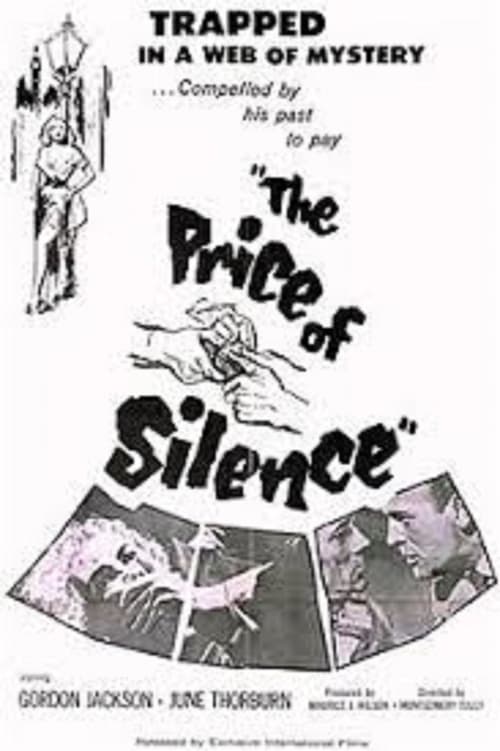
1959

1947
1957

1975
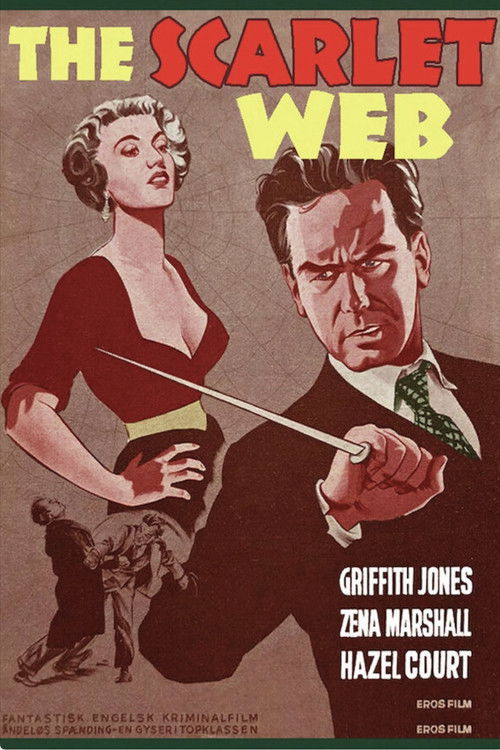
1954
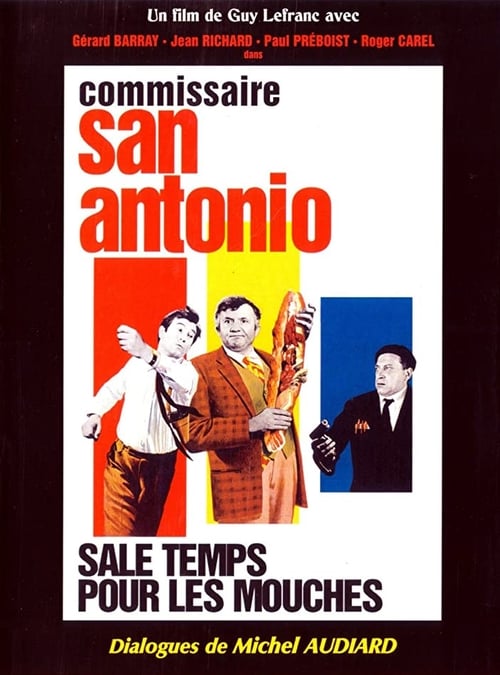
1966
1964
1952
No reviews yet. Be the first to share your thoughts on this movie!
Use the rating form above to leave a star rating and optional review.