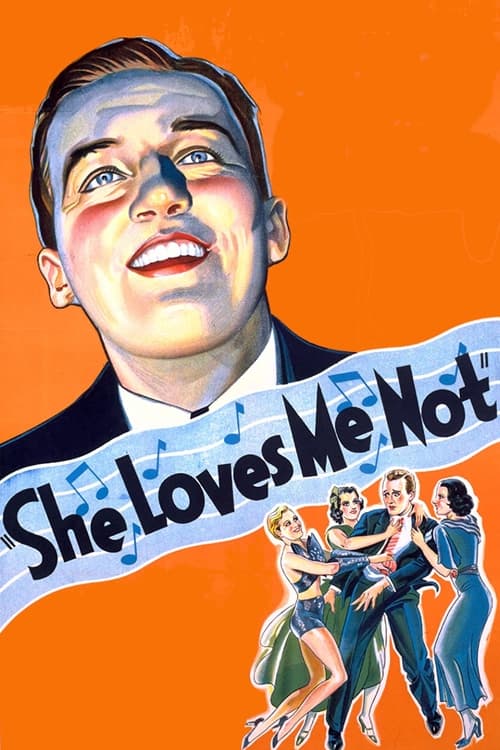
She Loves Me Not
1934
No user ratings available yet
Representation score: 1.9 out of 10

Representation Score
Fair
1993
PGDirector
Jorge Manrique
Runtime
90 minutes
Average Rating
No ratings yetNew Showbiz Analysis
Soy Hombre ¿y Qué….? is a traditional Latin American comedy that relies on situational irony and farce. The narrative is driven by a protagonist's attempt to evade the legal system through deception, limiting the depth of its social commentary. Gender and disability are used as plot devices to create comedic tension or momentum, rather than being explored as nuanced aspects of human experience. While the film offers a culturally specific Hispanic perspective, it adheres to conventional genre clichés, prioritizing individual character arcs and romantic resolution over disrupting social hierarchies.
Category Breakdown
Ernesto adopts a female persona to avoid legal trouble, using gender disguise as a plot device rather than exploring queer identity.
Masculinity is shown through cross-dressing, while femininity is used primarily for evasion. Women serve as romantic catalysts but lack significant roles in driving the story.
The film features a predominantly Hispanic cast, focusing on a non-Anglo-Saxon perspective. However, it lacks complexity in representing diverse ethnic groups.
The narrative follows conventional structures of justice and romantic resolution, focusing on individual accountability and legal institutions without challenging cultural values.
A blind character initiates the plot, serving as a device to establish guilt rather than portraying lived experience or ability to act.
Present on Screen
Limited or Absent
Official Synopsis
Ernesto participates in a race in which another competitor runs over a blind man and runs away. Ernesto is guilty and his only way to escape prison is disguised as a woman. In his new role, Ernesto falls in love with a young woman, but unfortunately he cannot tell her the truth or what he feels until the culprit is caught.
1934

1976

2016

1935

1988

1958

2000

2001
No reviews yet. Be the first to share your thoughts on this movie!
Use the rating form above to leave a star rating and optional review.