
Corazón de bombón
2001
No user ratings available yet
Representation score: 3.6 out of 10

Representation Score
Fair
1988
TV-PGDirector
Abel Salazar
Runtime
90 minutes
Average Rating
No ratings yetNew Showbiz Analysis
Quisiera ser hombre uses a comedic premise to explore complex themes of gender performance and systemic exclusion. By centering the plot on a woman navigating a patriarchal industry through disguise, the film provides a critique of professional barriers faced by women. The narrative also disrupts traditional romantic expectations through the romantic confusion of the male lead. This creates a layer of identity exploration that goes beyond simple genre comedy. While the film offers a culturally specific Mexican perspective, it lacks depth regarding racial intersectionality or disability representation.
Category Breakdown
The film focuses on a gender-nonconforming protagonist who adopts a male persona. This setup introduces themes of queer attraction when the male lead develops romantic feelings for his 'male friend'.
Manuela's struggle to enter the male-dominated fashion industry highlights systemic barriers for women. Her subversion of gender identity serves as a critique of patriarchal professional structures.
As a Mexican production, the film offers a non-Anglo-centric perspective. However, the narrative does not explicitly address the blending of racial identities or ethnic hierarchies.
The story examines the tension between personal identity and societal institutions. It critiques a status quo where professional success often requires conforming to specific social performances.
There are no visible or invisible disabilities portrayed that impact the character arcs or plot progression.
Present on Screen
Limited or Absent
Official Synopsis
Manuela (Lucerito) has a lot of difficulties to get work as a fashion designer, since the world of "haute couture" is preferred by men. She decides to change her appearance in order to have luck, so Manuela becomes Manuelito. Immediately find a job as an assistant of Miguel (Guillermo Capetillo), who is also a designer. Miguel offers to share his department, and Manuelito agrees because she/he doesn't have a place to live. This raises a number of funny situations, especially when Miguel is alarmed to know that he is falling in love with his "male friend"
2001
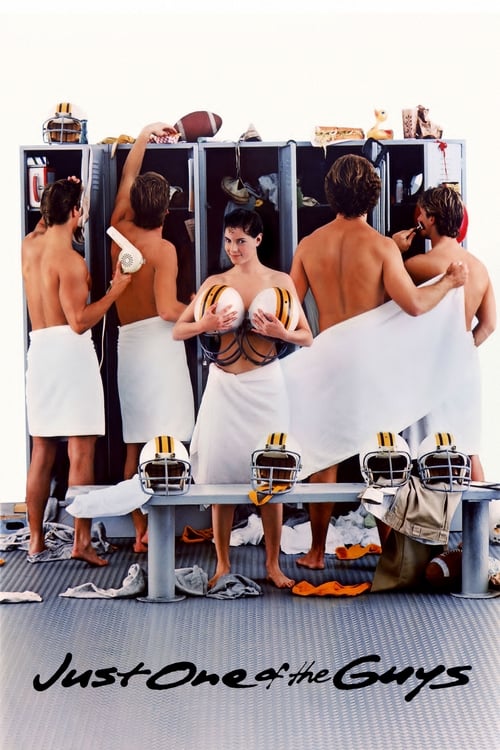
1985
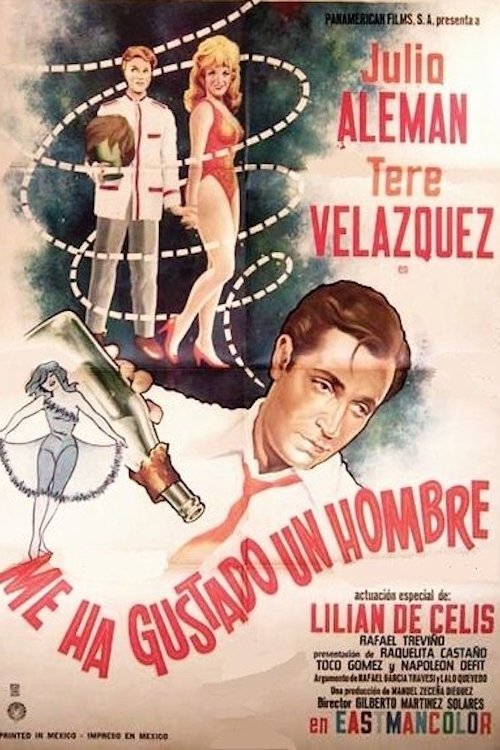
1964
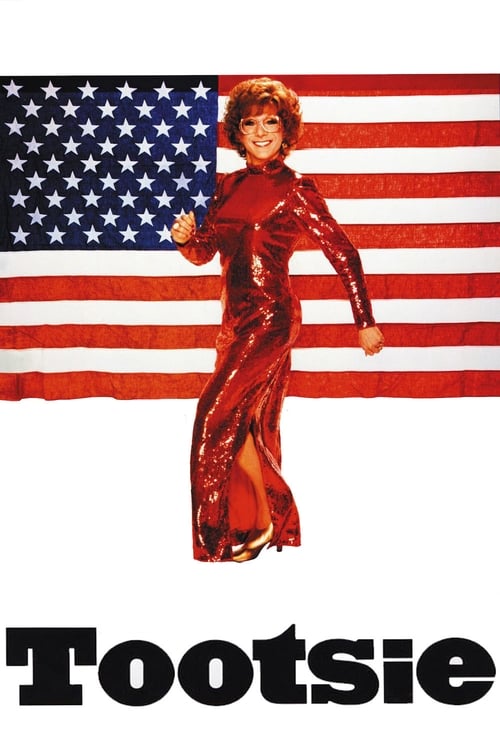
1982

1993

1991
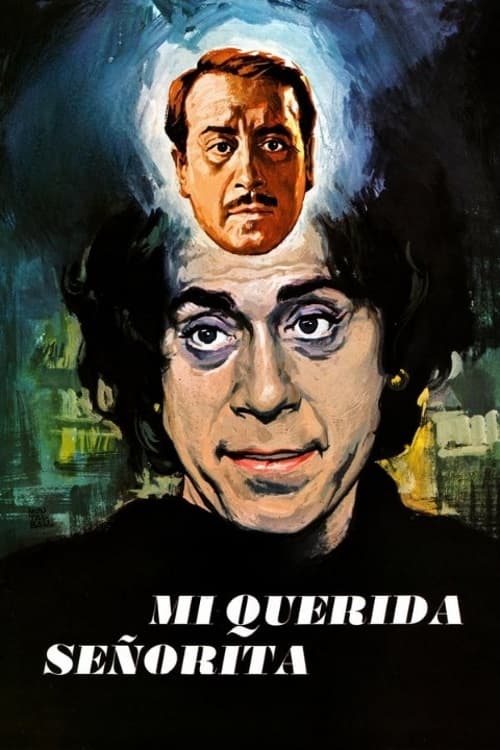
1972

1966
No reviews yet. Be the first to share your thoughts on this movie!
Use the rating form above to leave a star rating and optional review.