
Just About Love?
2007
No user ratings available yet
Representation score: 4.7 out of 10
Representation Score
Good
2002
Director
Kai Wessel
Runtime
94 minutes
Average Rating
No ratings yetNew Showbiz Analysis
The film succeeds in presenting a multifaceted peer group that avoids reductive stereotypes. It is most effective when subverting disability clichés and integrating ethnic diversity into the central social circle. However, the narrative remains anchored in traditional romantic structures. The focus on straight relationships and a nostalgic, developmental framework limits its exploration of broader social critiques or queer identities. Ultimately, the work offers a balanced portrayal of adolescence, prioritizing character's ability to drive the story and social dynamics over broad caricatures.
Category Breakdown
The film explores adolescent discovery through a lens that assumes everyone is straight. While the theme of first kisses invites identity exploration, there is no explicit evidence of same-sex attraction or intimacy.
Female characters move beyond passive clichés by presenting diverse archetypes. Figures like the sporty Kerstin and the tall, skinny Long Jana possess individual ability to act and distinct physical identities.
The film integrates diverse ethnic backgrounds into the core social fabric. The presence of Tümai, a Turkish girl, reflects a multicultural reality within the protagonist's peer group.
The story functions as a nostalgic exploration of adolescence and social cohesion. It avoids religious dogma but lacks explicit critiques of institutions or capitalism.
Elrond, a character with a heavy stutter, is portrayed as popular and good-looking. This subverts the tragedy cliché by giving a character with a disability high social standing.
Present on Screen
Limited or Absent
Official Synopsis
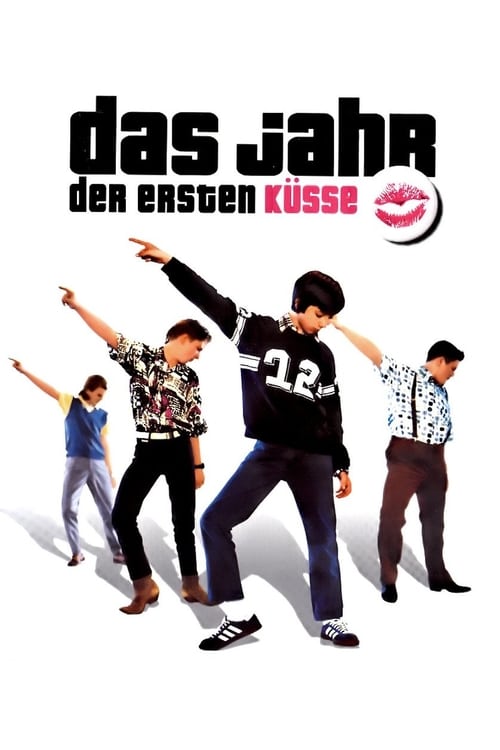
31 year-old Tristan remembers the time when he was 15 and had just hit puberty. But he is not alone in this, he is with a large group of friends: Specki, a fat kid who is always stuffing himself, Streusel, a cheeky boy covered with spots, Tümai, a pretty Turkish girl, Kerstin, best friend of Tümai and very sporty, Elrond, with a heavy stutter, but regardless extremely popular and good looking, Lars and Simone, so far the only couple in the class who spend most of their time smooching and Long Jana, a girl who is at least 6 foot tall and extremely skinny.
2007

2000

2013
1995

2008
1986

2007
2005
No reviews yet. Be the first to share your thoughts on this movie!
Use the rating form above to leave a star rating and optional review.