Hadigari Cumhur
2009
No user ratings available yet
Representation score: 2.3 out of 10
Representation Score
Limited
2017
Director
Mahsun Kırmızıgül
Runtime
111 minutes
Average Rating
No ratings yetNew Showbiz Analysis
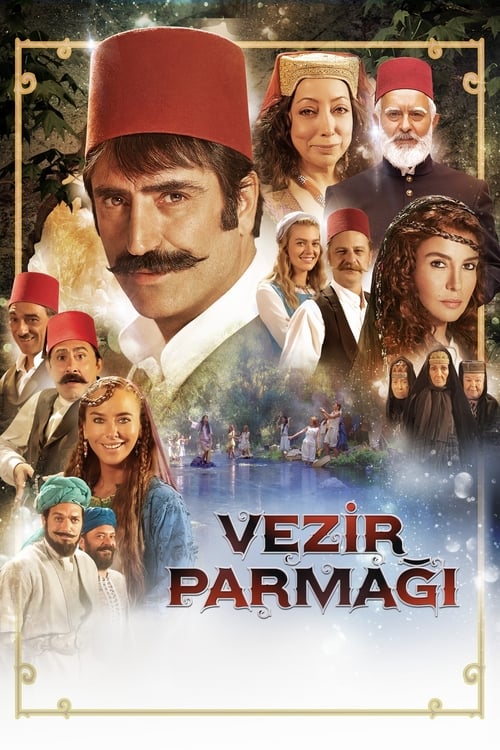
Vezir Parmağı is a social melodrama that uses a heightened, traditional setting to explore systemic inequality. It provides a voice to a collective of women and the underrepresented working class, but its progressive potential is limited by its adherence to traditional hierarchies. The film reinforces patriarchal structures of marriage and motherhood rather than challenging them. Ultimately, it critiques class-based oppression while remaining culturally conservative.
Category Breakdown
The film does not include any LGBTQ+ characters or non-straight relationships. The storyline revolves around traditional marriage and reproduction to address a population decline.
Thirty-one women play key roles in driving the plot by seeking state intervention for marriage. Despite showing collective strength, their goals are tied to traditional domestic and reproductive roles.
Diversity is mainly based on regional and socioeconomic differences rather than ethnicity. The film explores the Anatolian landscape through various cultures, but remains largely homogeneous within a Turkish context.
The story addresses class struggle and the hardships faced by the working poor within traditional Anatolian and Islamic values. It does not engage with secularist perspectives.
There is no significant portrayal of visible or invisible disabilities. Characters are defined by gender, class, and regional origins.
Present on Screen
Limited or Absent
Official Synopsis
In this story set in ancient times, 31 women who lost their husbands, fathers, and children in war rise up against their lack of men after many years and demand that the state send them men to marry and have children. Five single men from different regions and cultures are selected at a porter market in Istanbul to marry these 31 women. The selected men, unaware of what awaits them, believe they are going to war. However, the porters, referred to as "human donkeys," find themselves in a completely different adventure instead of the front lines.
2009
2019
2008

2015
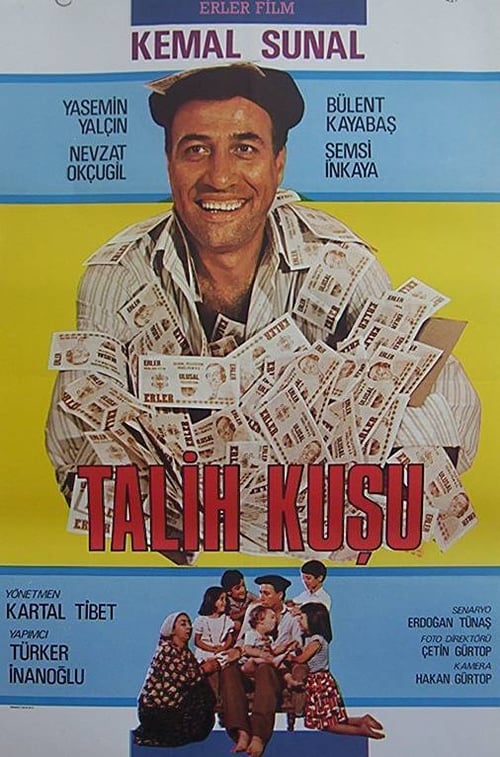
1989
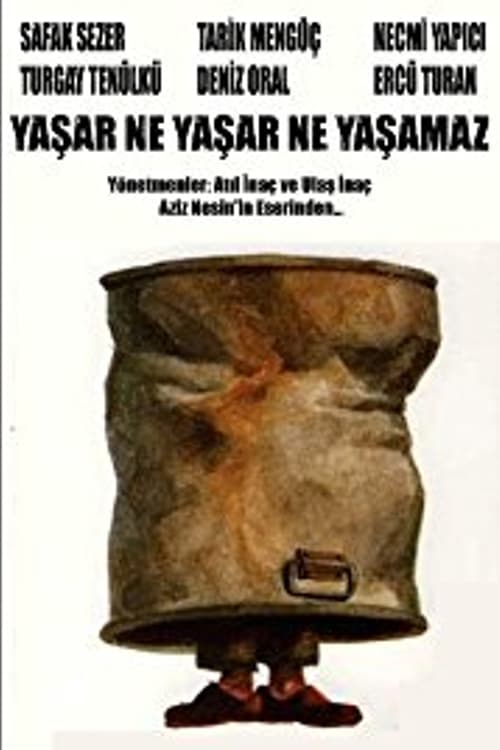
2008
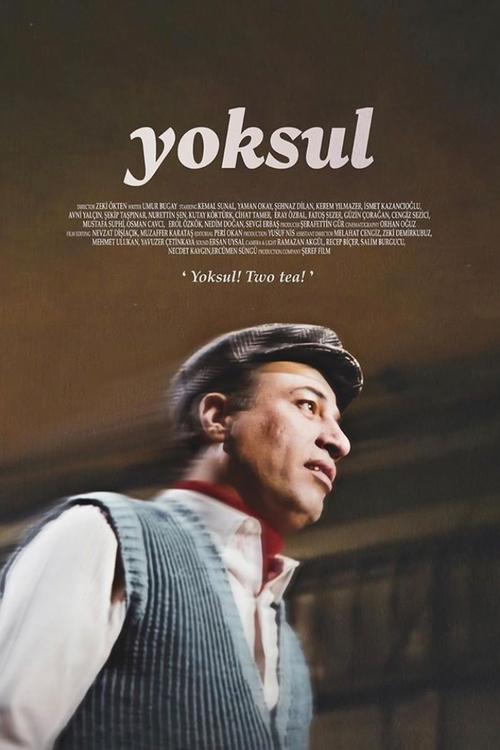
1986
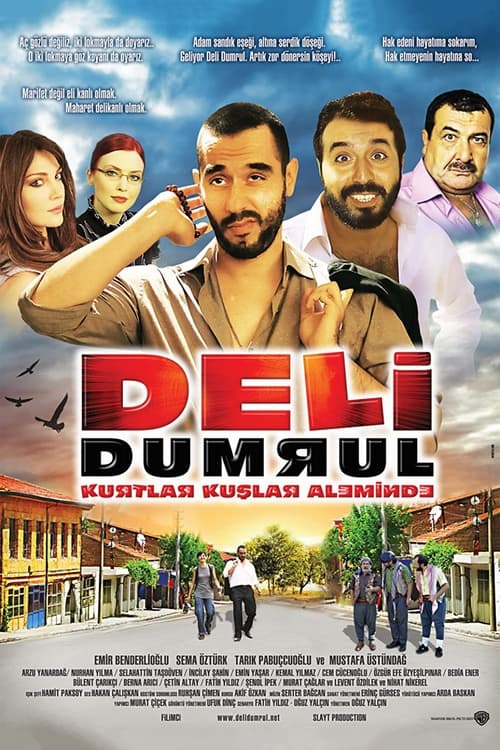
2009
No reviews yet. Be the first to share your thoughts on this movie!
Use the rating form above to leave a star rating and optional review.