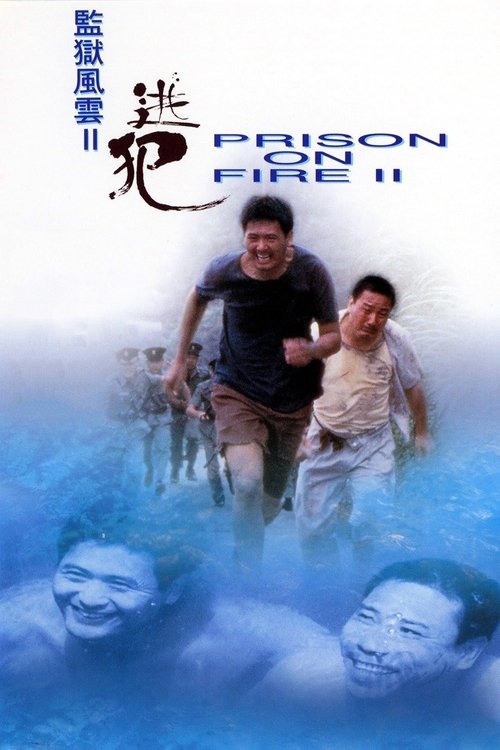
Prison on Fire II
1991
No user ratings available yet
Representation score: 5.7 out of 10

Representation Score
Limited
2001
Director
Ivan Lai Kai-Ming
Runtime
90 minutes
Average Rating
No ratings yetNew Showbiz Analysis
Prison on Fire: Plaintive Destiny functions as a traditional early 2000s Hong Kong crime drama. It relies heavily on established genre clichés of retribution and tragedy, emphasizing cycles of violence over social critique. The film's structure reinforces traditional hierarchies, focusing on masculine vengeance and using female characters primarily as schemers. While it touches on regional dynamics through characters from Mainland China, it remains a culturally specific story that does not aim to challenge the status quo or provide diverse representation.
Category Breakdown
The film does not include any LGBTQ+ characters or explore non-straight relationships.
The story revolves around a male protagonist driven by grief and a desire for revenge. Female characters are used mainly as plot devices rather than fully developed individuals.
This is a local Hong Kong production with a predominantly Cantonese-speaking cast. It explores regional dynamics but does not feature diverse ethnic casting.
The narrative focuses on personal tragedy and systemic failure within a prison setting. It highlights individual moral failings and the breakdown of paternal bonds without addressing broader institutional issues.
There are no characters with visible or invisible disabilities in the story, nor are they used as central plot devices.
Present on Screen
Limited or Absent
Official Synopsis
The Jail having a new comer, Uncle Pui, he got life-time lock up since was charged murder his daughter. He was an owner of BBQ Shop, his daughter Man came from Mainland China, hooked up Pui's student Yat in a short time. But the truth is Man want to cheat all Yat's money. It makes Yat committed suicide. Pui was in great anger and killed Man…
1991

1987

1999

1997
1989

2013

2021
1994
No reviews yet. Be the first to share your thoughts on this movie!
Use the rating form above to leave a star rating and optional review.