
Someday We'll Tell Each Other Everything
2023
No user ratings available yet
Diversity score: 6.1 out of 10
2018
Director
Emily Atef
Runtime
115 minutes
Average Rating
No ratings yetSynopsis
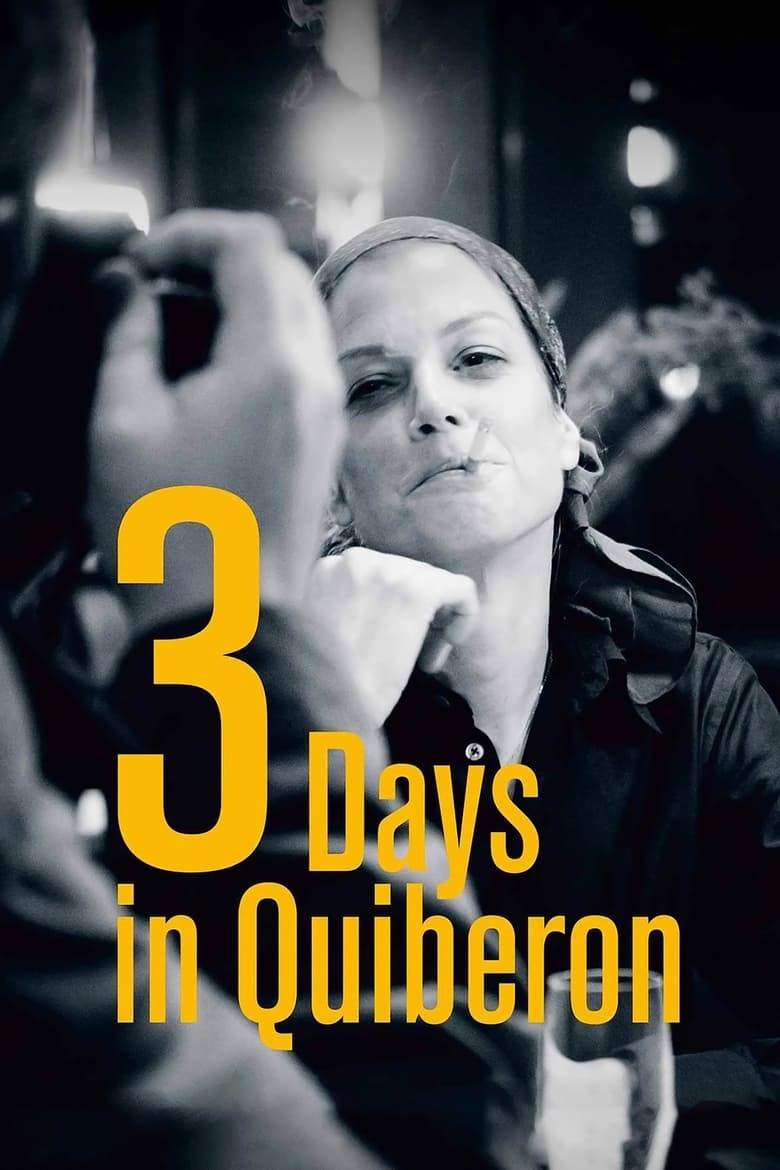
1981, Quiberon, a small village on the coast of Brittany, France. Hilde Fritsch arrives to visit her old friend who has retreated to a spa hotel to escape the daily pressures of her life. Her friend is world-famous star Romy Schneider, but together, they appear like two regular women who are just happy to be reunited. Yet it quickly becomes apparent that Hilde is supposed to offer the support the sensitive actress needs to be able to truly face her own demons.
Overall Score
Fair
Category Breakdown
LGBTQ+ Representation
The film focuses on deep emotional intimacy and female connection. However, it lacks explicit non-cisnormative identities or critiques of heteronormativity.
Gender Representation
The story centers entirely on female agency and subjectivity. It subverts patriarchal tropes by prioritizing the internal emotional needs of its female leads.
Racial & Ethnic Diversity
The cast is largely homogeneous, reflecting the 1981 Brittany setting. It does not utilize diverse ethnic intersections to challenge demographic norms.
Religious & Cultural Diversity
The narrative offers a secular, realist portrayal of life. It focuses on individual psychological struggles rather than religious or institutional frameworks.
Disability Representation
Mental health and psychological vulnerabilities are explored through character depth. The film avoids 'inspiration porn' by focusing on the difficult reality of emotional instability.
Strengths
Areas for Improvement
AI Analysis
Emily Atef’s drama succeeds as a character study that elevates female subjectivity. By centering the narrative on the internal landscapes and autonomy of women, the film provides a meaningful departure from traditional, male-driven storytelling structures. However, the film remains demographically traditional. The setting and cast reflect a homogeneous social reality, lacking significant racial or LGBTQ+ intersectionality to challenge the established norms of the period. Ultimately, the work is progressive in its gendered focus but conservative in its demographic composition, favoring private emotional realism over broader systemic or cultural critiques.
2023
2017
1980

2009

2013
2016

2015
2019
2021
2012

2021
1986
No reviews yet. Be the first to share your thoughts on this movie!
Use the rating form above to leave a star rating and optional review.