
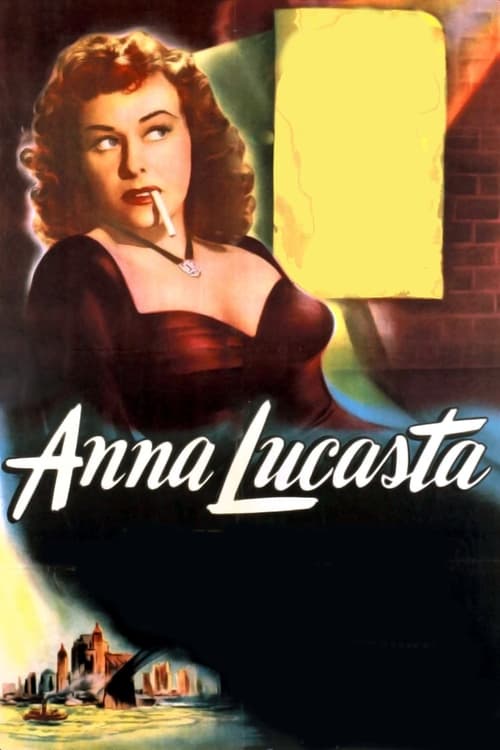
Anna Lucasta
1958
No user ratings available yet
Representation score: 1.1 out of 10

Representation Score
Limited
1947
Director
Jack Lee
Runtime
93 minutes
Average Rating
No ratings yetNew Showbiz Analysis
The film presents a narrow, mid-century dramatic framework centered on British class distinctions. While it offers a complex look at a woman's survival through social manipulation, it operates strictly within conventional social hierarchies. Representation is heavily skewed toward a homogeneous, Anglo-Saxon perspective. The narrative lacks depth in reflecting multiple aspects of identity, focusing instead on individual morality and class struggle. Ultimately, the film adheres to the standard studio-era conventions of its time, providing character nuance without challenging the era's prevailing racial or gender norms.
Category Breakdown
The film does not include any LGBTQ+ characters or non-cisgender identities. Its narrative centers on traditional family and class structures.
Lorna Blake's character demonstrates strong ability to act driven by economic desperation. However, she often falls into the 'desperate matriarch' stereotype, while male characters maintain primary roles in social stability.
The story reinforces a homogeneous social structure typical of the 1940s. There is no indication of a diverse or non-Anglo-Saxon cast.
The film examines moral ambiguity and the breakdown of the family unit. It highlights individual moral failures without critiquing Western institutions like capitalism or religion.
There is no information available regarding the depiction of physical or neurodivergent disabilities in this work.
Present on Screen
Limited or Absent
Official Synopsis
Lorna Blake, (Ursula Jeans) is a widow with two daughters. She augments her slender income by using her children to extort money - visiting the houses of the rich to tell a pathetic story and beg for help. And Lorna makes a rich capture when Sir Halmar Bernard, (Cecil Parker), proposes to her. She tells him that she has only one daughter, Molly (Jill Freud, credited as Jill Raymond). When her other daughter, Jay (Jean Simmons), is arrested for forging a cheque, she refuses to help her.
1958
1964
1958
1958
1949
1960
1938
1941
No reviews yet. Be the first to share your thoughts on this movie!
Use the rating form above to leave a star rating and optional review.