Elenore Makes Love
2014
No user ratings available yet
Diversity score: 6.8 out of 10
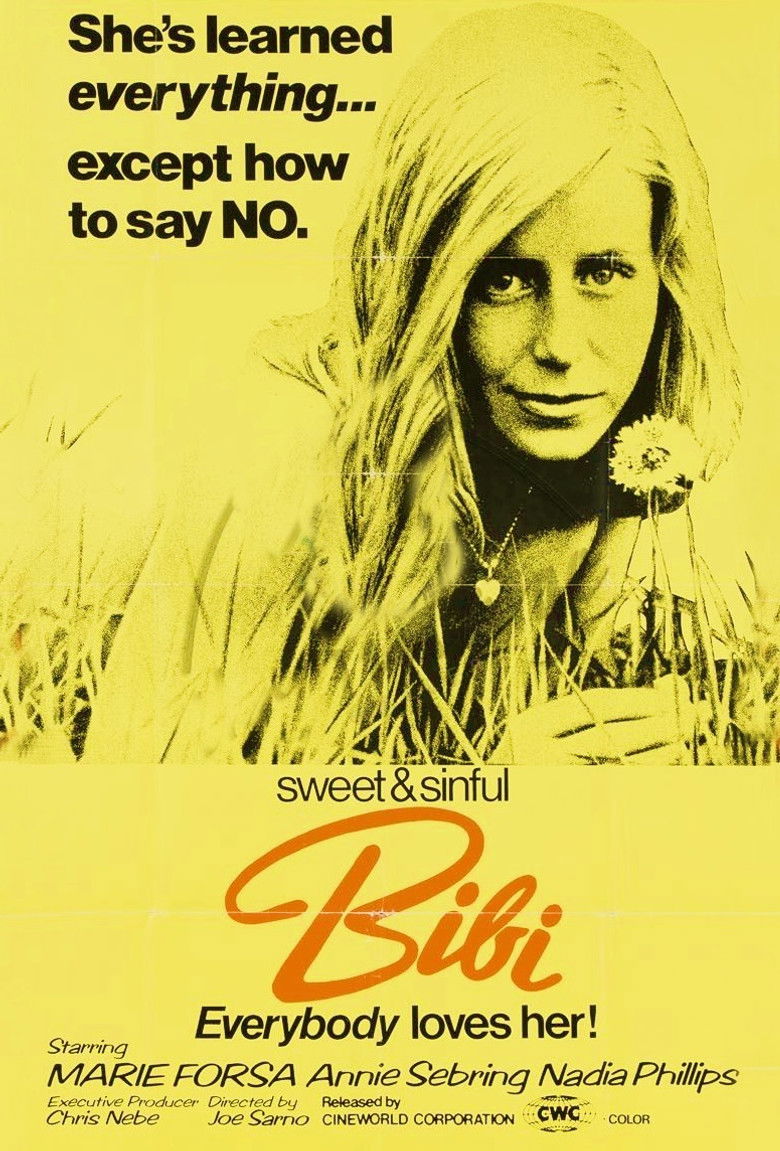
1974
Director
Joseph W. Sarno
Runtime
120 minutes
Average Rating
No ratings yetSynopsis
Sixteen year old Bibi comes to her aunt Toni's boarding house where she is seduced by lesbian women.
Overall Score
Good
Category Breakdown
LGBTQ+ Representation
The film centers on lesbian intimacy and non-heteronormative attraction. By focusing on the protagonist's sexual awakening within a community of women, it provides queer identities with a rare level of agency for 1970s cinema.
Gender Representation
The narrative subverts domestic hierarchies by centering on a female-dominated boarding house. Power dynamics are driven by women, shifting the focus away from traditional patriarchal leadership and gendered roles.
Racial & Ethnic Diversity
The film appears to focus on a homogeneous social setting. There is no explicit evidence of a multi-ethnic cast or significant intersectional racial complexity within the narrative.
Religious & Cultural Diversity
The story deconstructs traditional family structures by prioritizing a boarding house setting over a nuclear family. This approach emphasizes individual exploration and a critique of standard social conditioning.
Disability Representation
There is no documented evidence regarding the portrayal of physical or neurodivergent disabilities in this work.
Strengths
Areas for Improvement
AI Analysis
Bibi stands out for its unapologetic engagement with queer themes, offering a level of female-centric desire that challenged the conservative cinematic standards of 1974. The film successfully disrupts heteronormative expectations by placing the protagonist's development within a community of women. However, the film lacks intersectional depth. The social environment remains largely homogeneous, missing opportunities to explore racial or ethnic diversity. This creates a narrow, though focused, social landscape. Ultimately, the film's strength lies in its subversion of traditional domestic and gendered power structures, even if it remains limited in its broader cultural scope.
2014

1980

1965
2007

1985
1994
2014
2014
1969
1984
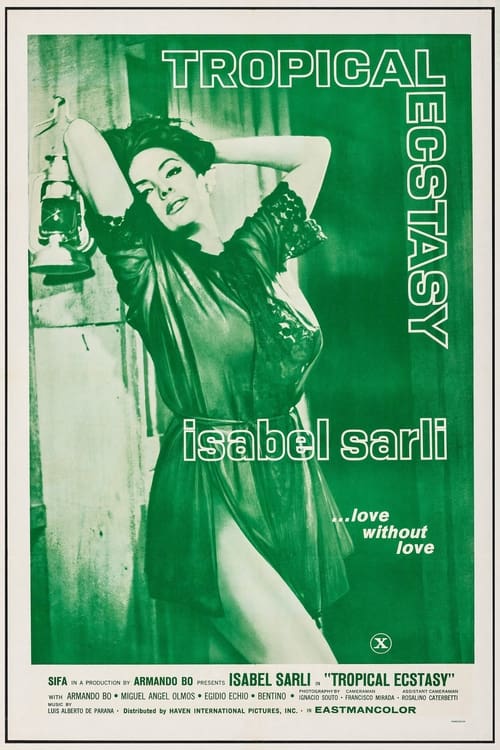
1970

1993
No reviews yet. Be the first to share your thoughts on this movie!
Use the rating form above to leave a star rating and optional review.