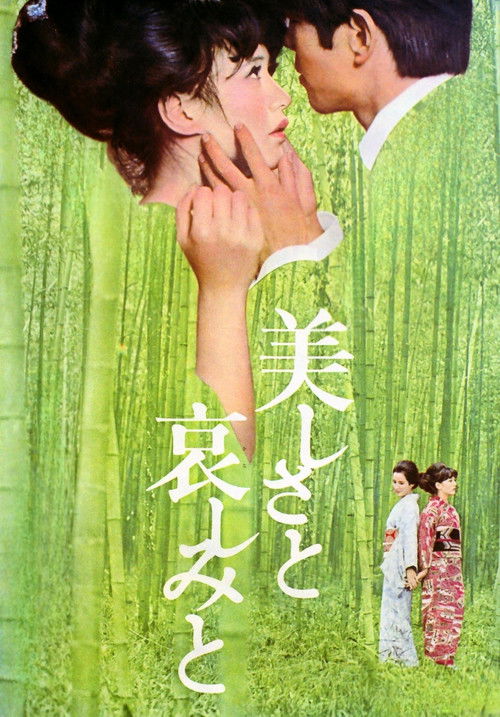
With Beauty and Sorrow
1965
No user ratings available yet
Representation score: 6.5 out of 10

Representation Score
Good
1980
Director
Hitoshi Yazaki
Runtime
105 minutes
Average Rating
No ratings yetNew Showbiz Analysis
Afternoon Breezes stands out for its bold centering of a queer protagonist during a period when such narratives were rare. By making Natsuko's lesbian identity the engine of the plot, the film moves beyond including someone from a minority group without giving them real depth into a deep psychological exploration. The film also subverts gendered expectations. Female characters possess high ability to act, engaging in complex power dynamics and psychological maneuvers that challenge traditional romantic clichés. While the film lacks racial or disability diversity, its strength lies in its nuanced, postmodern approach to morality and its disruption of conventional social hierarchies.
Category Breakdown
The film focuses on Natsuko, a lesbian whose desires drive the entire plot. It delves into the psychological complexities of unrequited same-sex attraction and navigates challenges related to the assumption that everyone is straight or cisgender.
Female characters engage in a sophisticated psychological struggle rather than traditional domestic roles. Natsuko plays a significant role in driving the story, subverting the cliché of the passive female romantic interest.
The cast is ethnically homogeneous within its Japanese context. The film offers a localized exploration of desire that departs from Western-centric romantic structures.
The narrative utilizes a framework of subjective morality. It avoids binary moralism, instead framing character actions through personal desperation and situational ethics.
There are no visible or mentioned depictions of physical or neurodivergent disabilities that impact the narrative arc.
Present on Screen
Limited or Absent
Official Synopsis
Two young girls, Mitsu and Natsuko, share the same apartment. Natsuko is Lesbian and secretly in love with Mitsu. But Mitsu is heterosexual and has a boyfriend. In the hope of destroying the relation between Mitsu and her boyfriend, Natsuko seduces the boyfriend and also tries to influence him in other ways.
1965

1998
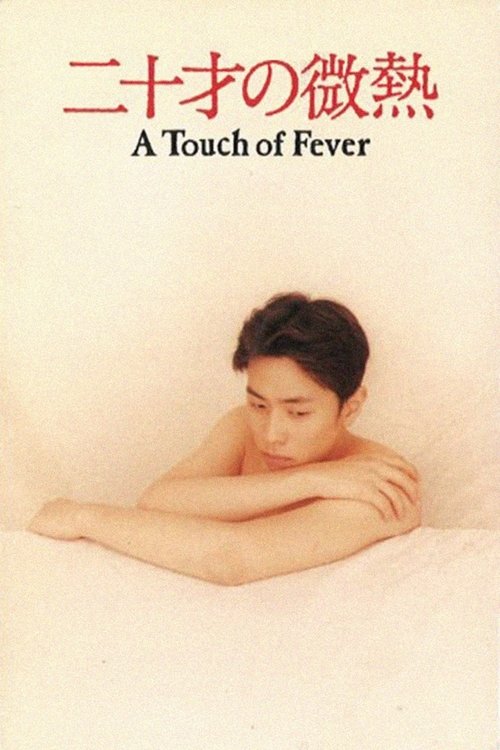
1993

2020

1974
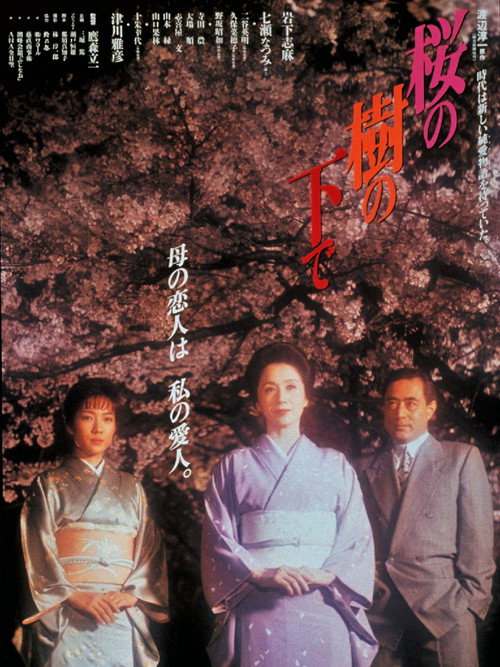
1989
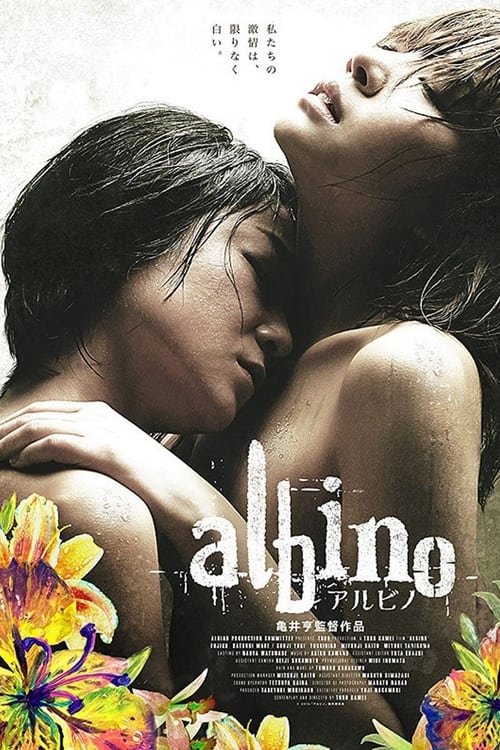
2016
1983
No reviews yet. Be the first to share your thoughts on this movie!
Use the rating form above to leave a star rating and optional review.