La Classe américaine
1993
No user ratings available yet
Representation score: 4.2 out of 10
Representation Score
Fair
1992
Director
Dominique Mézerette, Daniel Lambert, Michel Hazanavicius
Runtime
39 minutes
Average Rating
No ratings yetNew Showbiz Analysis
Ça détourne operates as a comedic collage rather than a scripted narrative. It utilizes the 'Grand Détournement' technique to re-contextualize existing cartoons and classic cinema through new dialogue and parody. Because the film relies on archival footage from a specific era, its visual diversity is limited by the demographics of mid-20th-century Western media. The work does not attempt to build new, diverse character studies. However, the structural intent is subversive. By reframing legendary masculine icons and classic cinematic clichés through farce, the program disrupts traditional media hierarchies and the sanctity of established storytelling.
Category Breakdown
The program doesn't have specific character arcs or sustained queer narratives. It maintains a neutral stance, avoiding both promoting the assumption that everyone is straight or cisgender and offering intentional queer-coded subversion.
Valérie Payet and Philippe Dana anchor the dual-presenter format. The work challenges traditional masculine leadership by using absurdity to reframe iconic figures like Steve McQueen and Burt Lancaster.
Content relies heavily on archival footage from mid-20th-century Western cinema and animation. The visual palette reflects the era's demographic constraints, with no evidence of intentional race-bending in new sequences.
The work adopts a postmodern, skeptical view of established media. By deconstructing classic films, it prioritizes irony over traditional heroic narratives, diminishing the authority of classic Western storytelling.
There are no discernible depictions of physical or neurodivergent characters. The available material provides no basis for assessing ability to act or cliché usage regarding disability.
Present on Screen
Limited or Absent
Official Synopsis
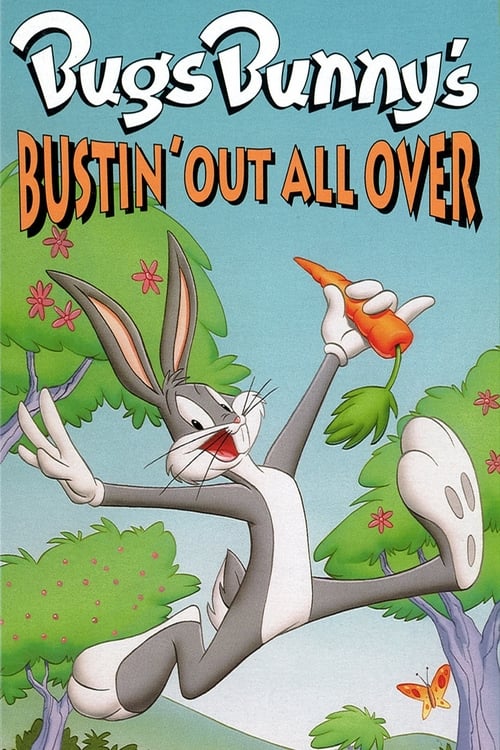
Broadcast for the end-of-year holidays, this second diversion (which follows Derrick contre Superman) is a crazy cartoon show mixing original sequences presented by Valérie Payet and Philippe Dana with redoubled excerpts from cartoons with Bugs Bunny, Daffy Duck... and films with Steve McQueen, Burt Lancaster, Jack Nicholson, Jean Gabin, etc. This is the second of the three TV films of the Grand Détournement.
1993
1990

2012
1987

2011
1980
2011

2020
No reviews yet. Be the first to share your thoughts on this movie!
Use the rating form above to leave a star rating and optional review.