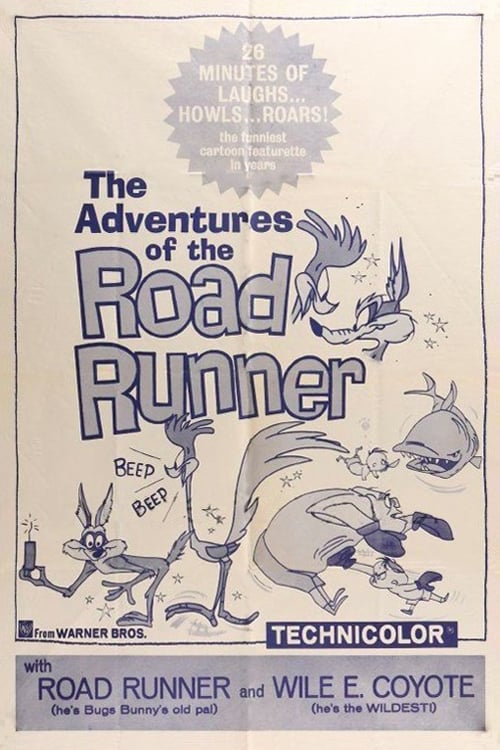
Adventures of the Road-Runner
1962
No user ratings available yet
Representation score: 3.1 out of 10
Representation Score
Fair
1980
Not RatedDirector
Chuck Jones
Runtime
24 minutes
Average Rating
No ratings yetNew Showbiz Analysis
This collection of cartoons by Chuck Jones relies heavily on established genre clichés and classic slapstick archetypes. The narrative structure prioritizes individual wit and the 'trickster' dynamic over any meaningful engagement with social or systemic hierarchies. While the anthropomorphic cast avoids direct human racial clichés, it also lacks the depth to explore ethnic or cultural identities. The focus remains on the chase and the hunt, keeping the themes largely individualistic. Ultimately, the work functions as a series of traditional vignettes. It provides high character's ability to drive the story through intellect but does not actively seek to disrupt or critique existing social, gender, or cultural norms.
Category Breakdown
The film focuses on classic slapstick rivalries rather than explicit LGBTQ+ identities. While the stylized, non-human characters allow for fluid identity, the narrative does not engage with queer themes.
Conflicts center on masculine-coded archetypes like the hunter and the conqueror. However, Bugs Bunny subverts these hierarchies by using intellect to overcome physically imposing male figures.
The use of anthropomorphic animals creates a species-blind environment. This avoids direct racial clichés but also prevents the use of characters as metaphors for specific ethnic experiences.
The stories rely on traditional comedic structures centered on individualistic pursuits. The morality follows the trickster archetype, prioritizing wit and survival over communal or systemic social responsibility.
Characters do not demonstrate control over visible or invisible disabilities. Slapstick physics often treat physical injury as a temporary comedic device, which can occasionally trivialize physical trauma.
Present on Screen
Limited or Absent
Official Synopsis
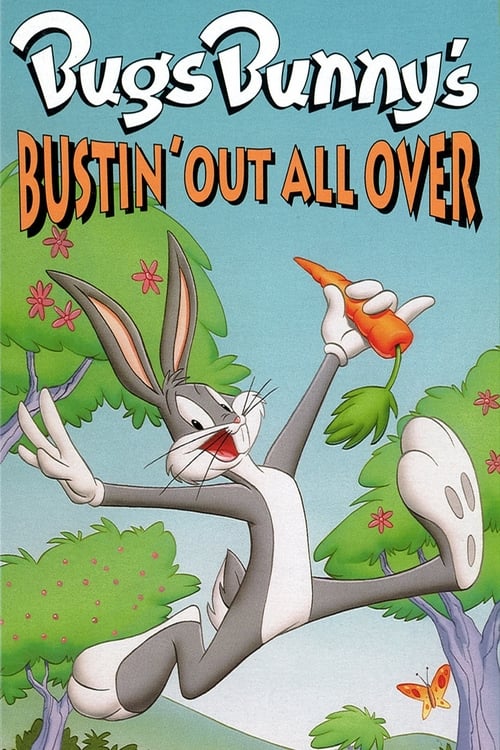
Three all-new cartoons from animation legend Chuck Jones showcase Bugs Bunny and some of Jones' most famous characters. Springtime has arrived and stirred the birds, the bees and Bugs Bunny -- the time when an infant Elmer Fudd chased a youthful Bugs with his popgun, waiting for the start of "wabbit season"; when Bugs was held captive by Marvin Martian (in "Spaced Out Bunny"); and when, after 30 years of chases, Wile E. Coyote finally caught the Road Runner (in "Soup or Sonic").
1962

1979
1949
1981
1961
1979
1965
1961
No reviews yet. Be the first to share your thoughts on this movie!
Use the rating form above to leave a star rating and optional review.