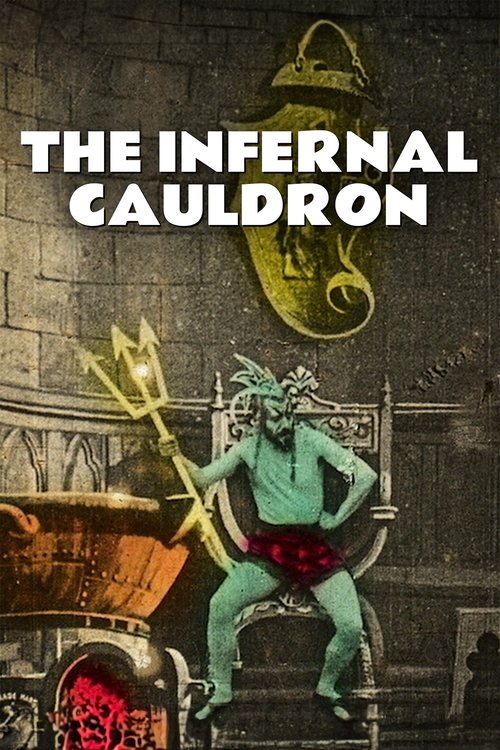
The Infernal Cauldron
1903
No user ratings available yet
Representation score: 2.5 out of 10
Representation Score
Minimal
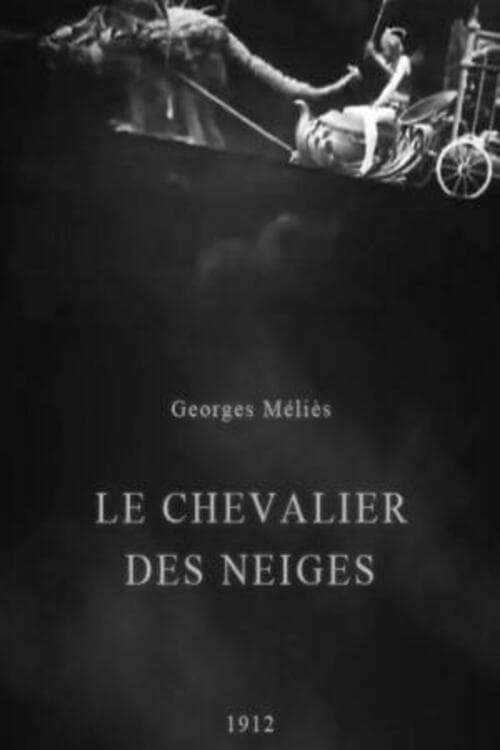
1912
Director
Georges Méliès
Runtime
16 minutes
Average Rating
No ratings yetNew Showbiz Analysis
Georges Méliès' 1912 fantasy relies heavily on the established social and narrative conventions of its time. The film prioritizes visual spectacle and mythological clichés over diverse characterization. The narrative structure reinforces traditional gender dynamics through the 'damsel in distress' cliché. Combined with a lack of racial or LGBTQ+ representation, the film reflects the era's conventional standards. While Méliès' innovative special effects offer a unique cinematic experience, the story itself does not challenge the social or cultural norms of its time.
Category Breakdown
The film does not include any LGBTQ+ characters or narratives. It focuses on traditional early 20th-century themes, such as a kidnapping plot.
Gender roles are very traditional. The princess is portrayed as a passive figure who needs rescuing, while the male characters drive the action.
The setting implies a homogeneous cast based on European folklore. There is no indication of non-Anglo-Saxon characters or racial diversity.
The story follows a classic battle between good and evil. Although the Devil is portrayed as lively, the film stays within Western mythological traditions.
There are no characters with visible or invisible disabilities in this production.
Present on Screen
Limited or Absent
Official Synopsis
One of the last films Georges Méliès made. By now, he was under contract for his former rival Pathé, where he made a few of his most lavish productions, including this one. Here, Méliès performed in front of the camera as the Devil […]. His incarnation of Satan this time is a sprightly antagonist who kidnaps a princess by locking her in a cage and taking off through the sky in a dragon-pulled carriage. […]
1903

1896
1904
1907
1898

1903
1906
1897
No reviews yet. Be the first to share your thoughts on this movie!
Use the rating form above to leave a star rating and optional review.