Sale temps pour les mouches
1966
No user ratings available yet
Representation score: 3.2 out of 10
Representation Score
Good
1967
Director
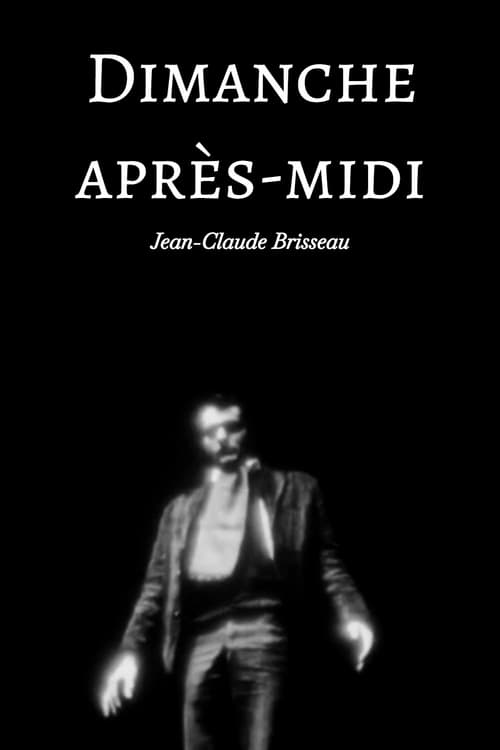
Jean-Claude Brisseau
Runtime
26 minutes
Average Rating
No ratings yetNew Showbiz Analysis
Jean-Claude Brisseau’s film is a cerebral, philosophical drama that prioritizes psychological depth over traditional plot-driven narratives. It uses a theoretical framework, specifically referencing Freudian psychoanalysis, to explore the human condition. The work excels in its intellectual deconstruction of emotional norms. By framing the narrative through the lens of 'black bile' and mourning, it challenges conventional morality in favor of a more relativistic, subjective experience. However, the film's focus is highly specialized. The lack of information regarding racial diversity and specific character roles limits a broader understanding of its social representation.
Category Breakdown
The film delves into internal desires and the complexities of the psyche through a Freudian lens. Though specific LGBTQ+ identities are not confirmed, the focus on non-traditional emotional structures suggests a deep psychological exploration.
The film centers on melancholy and despair, moving away from traditional, stoic masculine archetypes. It emphasizes internal emotional states, though the specific roles of female characters are not detailed.
There is no information available regarding the racial composition of the cast or the setting. The narrative focuses on philosophical themes rather than ethnic or racial dynamics.
The film engages deeply with secular intellectualism and Greek philosophy. It prioritizes intellectual inquiry and subjective morality over traditional religious or societal frameworks.
Mental health is the central subject, treated with a clinical and theoretical lens. The film approaches psychological distress as a fundamental part of the human experience rather than a mere plot device.
Present on Screen
Limited or Absent
Official Synopsis
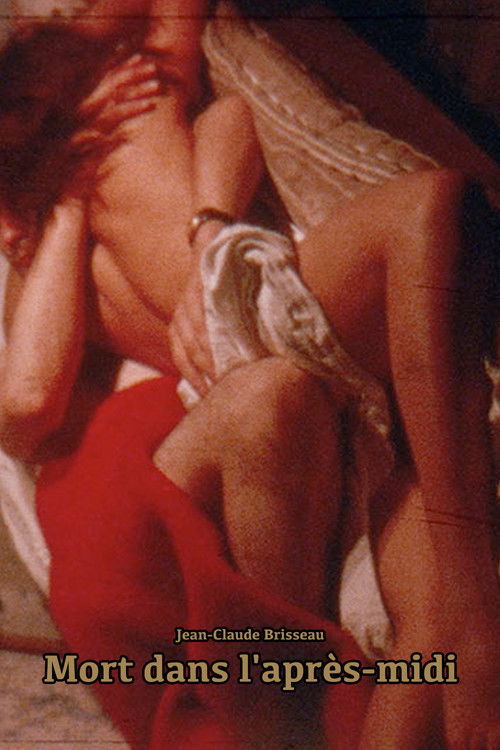
A voice, warm and heartbreaking, that of Brisseau himself, coils over black and white images. The tone was set very quickly: "To wake up is to be born again in the world of despair." 'On Sunday afternoon' is a film all at once clinical and theoretical on melancholy in the strong sense of the famous "black bile" of the Greeks whose author seems to want to make a complete turn, from his tragic dimension to his psychological dimension, even ending his film with a long quote from Freud's 'Mourning and Melancholia'.
1966
1979
1988
1955

1968
1971
1968
1976
No reviews yet. Be the first to share your thoughts on this movie!
Use the rating form above to leave a star rating and optional review.