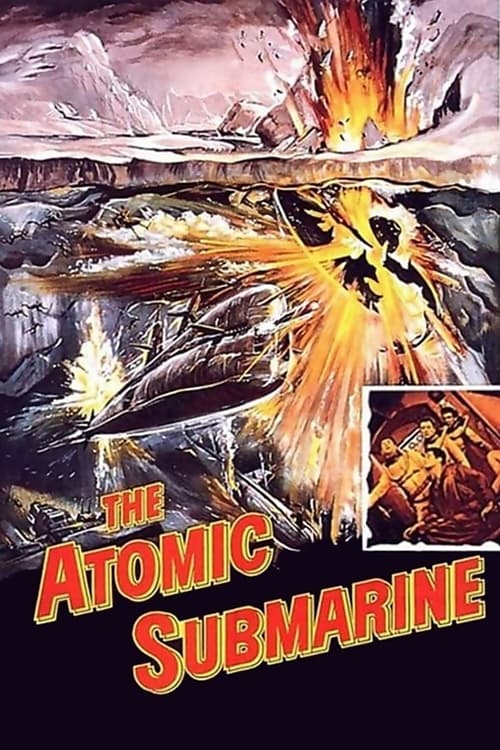
The Atomic Submarine
1959
No user ratings available yet
Representation score: 2.9 out of 10
Representation Score
Limited
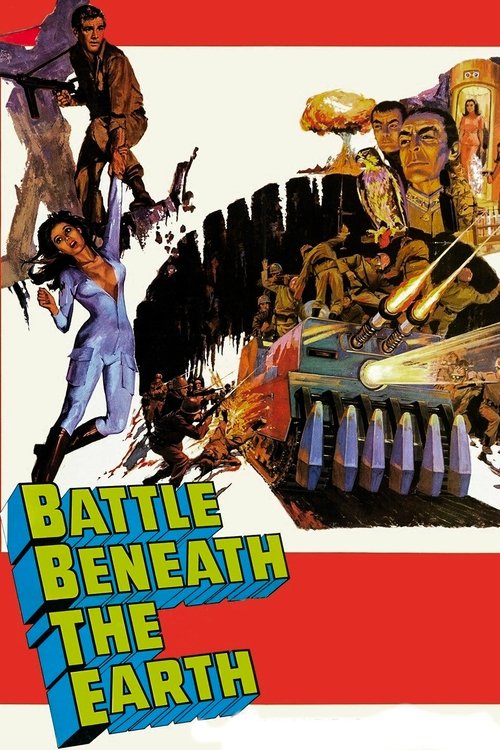
1967
NRDirector
Montgomery Tully
Runtime
91 minutes
Average Rating
No ratings yetNew Showbiz Analysis
Battle Beneath the Earth is a product of its time, firmly rooted in the social and demographic norms of 1967. The film emphasizes masculine camaraderie and the physical struggles of male workers within a homogeneous, white working-class community. Though it critiques power dynamics through class conflict, it does so using standard social realism clichés. It upholds rather than challenges mid-century norms around gender, race, and social structure. Overall, the film lacks representation for LGBTQ+ identities, diverse ethnicities, and characters with disabilities, focusing instead on a narrow, conventional industrial narrative.
Category Breakdown
The film does not include any characters or stories related to LGBTQ+ communities. It stays within the assumption that everyone is straight or cisgender.
The story focuses almost entirely on a male-dominated mining environment. Women play minor roles and have little influence over the main events.
The cast is mostly white, reflecting the homogeneous casting practices of 1967 British cinema. There is no diversity in ethnicity to challenge the status quo.
The film examines the tension between workers and managers, offering a moderate look at socioeconomic issues through the lens of social realism.
The film does not explore neurodivergence or physical disabilities. Mining hazards are used as plot devices rather than character development.
Present on Screen
Limited or Absent
Official Synopsis
Government officials discover a horrible plot: the Chinese are tunneling their way to the United States.
1959

1961

1980

1984

1966

1968

1965

1964
No reviews yet. Be the first to share your thoughts on this movie!
Use the rating form above to leave a star rating and optional review.