
Kamikaze '89
1982
No user ratings available yet
Diversity score: 4.0 out of 10
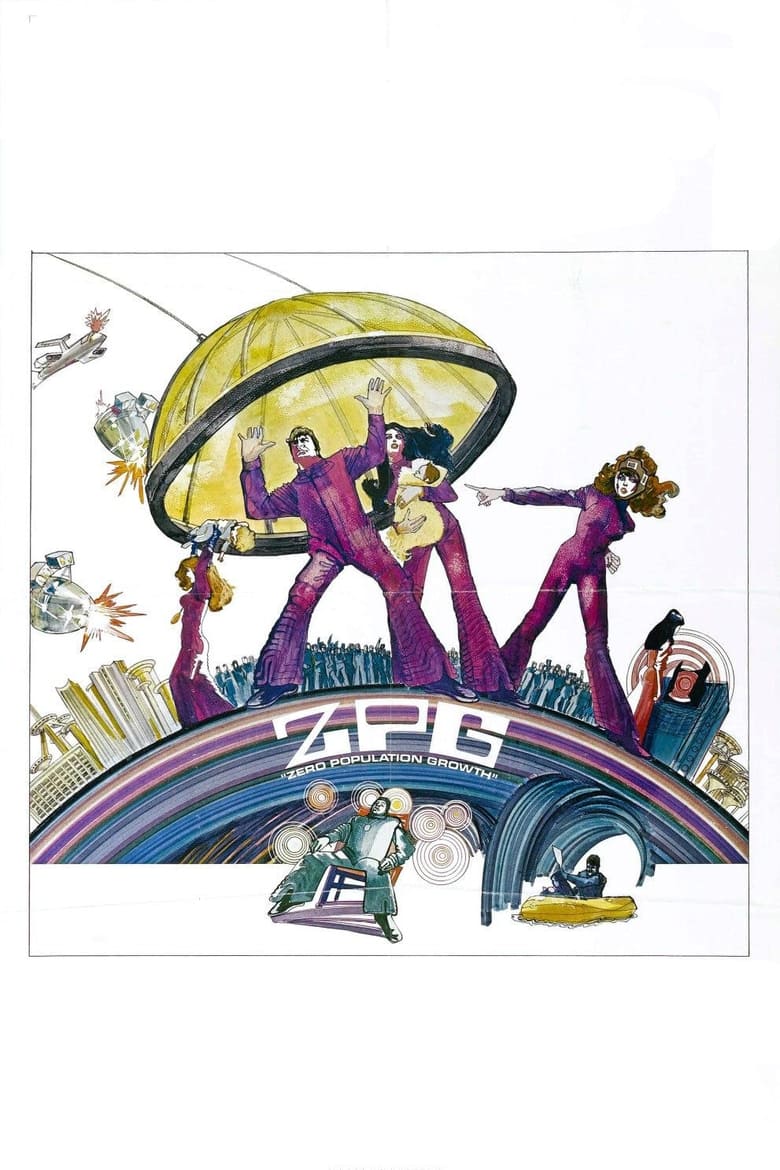
1972
PGDirector
Michael Campus
Runtime
97 minutes
Average Rating
No ratings yetSynopsis
In the not too distant future, an overpopulated Earth government makes it illegal to have children for a generation. One couple, unsatisfied with their substitute robot baby, breaks the rules.
Overall Score
Fair
Category Breakdown
LGBTQ+ Representation
The narrative centers on a heteronormative couple navigating state mandates. There is no evidence of queer identities or non-cisnormative gender expressions within the premise.
Gender Representation
The story focuses on a domestic unit reacting to reproductive restrictions. It does not explicitly subvert gender hierarchies or demonstrate the female lead's agency in navigating these systemic rules.
Racial & Ethnic Diversity
The plot follows a singular couple within a generic overpopulated Earth government. The narrative architecture defaults to a standard Western-centric dystopian model without diverse casting evidence.
Religious & Cultural Diversity
The film offers a strong critique of institutional authority and state overreach. It frames the government as an oppressive force that criminalizes biological parenthood and familial autonomy.
Disability Representation
While robot babies serve as a technological metaphor, there is no depiction of human neurodivergence or physical disability as a central character arc.
Strengths
Areas for Improvement
AI Analysis
Z.P.G. is a genre-driven dystopian thriller that prioritizes systemic critique over identity-based representation. Its strength lies in its anti-authoritarian themes, challenging the benevolence of state institutions through the lens of reproductive rights. However, the film lacks demographic breadth. The focus remains on a traditional Western-centric framework, offering little engagement with LGBTQ+ identities, racial diversity, or disability representation. Ultimately, the film functions as a study of institutional power rather than a vehicle for intersectional social commentary.
1982

1982

1997
1967

2017
1967

1981

2002
1996

1990

1962

1984
No reviews yet. Be the first to share your thoughts on this movie!
Use the rating form above to leave a star rating and optional review.