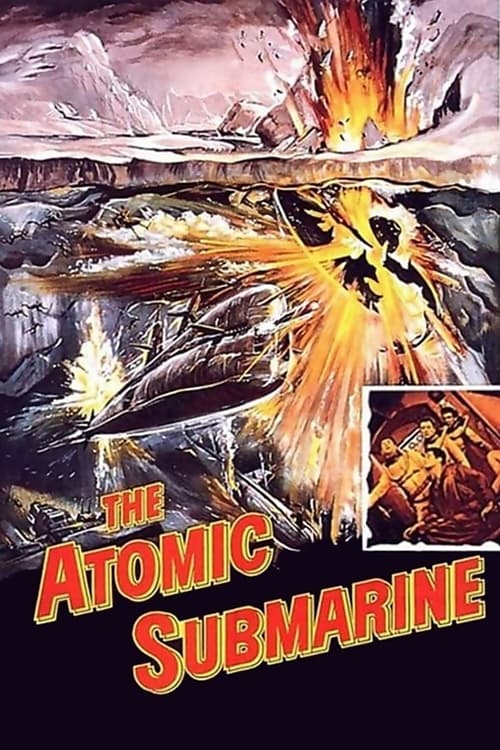
The Atomic Submarine
1959
No user ratings available yet
Representation score: 2.9 out of 10

Representation Score
Minimal
1961
ApprovedDirector
Reginald Le Borg
Runtime
72 minutes
Average Rating
No ratings yetNew Showbiz Analysis
The film operates as a typical science fiction thriller of its time, focusing on genre clichés rather than social exploration. It adheres strictly to the demographic and cultural norms of 1960s Western cinema. Character roles are defined by traditional hierarchies, particularly regarding gender and expertise. The focus on scientific authority reinforces a narrow, conventional view of intelligence and leadership. Overall, the film lacks the intentionality needed to challenge established social structures or provide meaningful representation of diverse identities.
Category Breakdown
The film does not include any LGBTQ+ characters or representations of non-straight relationships. It follows traditional social norms typical of 1960s genre filmmaking.
Roles such as the nuclear physicist and rocket expert are traditionally associated with men. The film reinforces traditional masculine authority through its emphasis on scientific expertise.
The production reflects the homogeneous casting standards of the early 1960s. There is no indication of diverse casting or non-white characters playing significant roles.
The story is rooted in mid-century technological optimism and Western scientific advancement. It emphasizes institutional knowledge and professional hierarchy without challenging cultural norms.
There is no evidence of characters with visible or invisible disabilities within the narrative.
Present on Screen
Limited or Absent
Official Synopsis
A cross-country airliner, whose passengers include a nuclear physicist, a rocket expert, and a mathematical genius, is drawn beyond radar range by an unknown, unbreakable force.
1959

1955

1951
1962

1961

1956

1981

1961
No reviews yet. Be the first to share your thoughts on this movie!
Use the rating form above to leave a star rating and optional review.