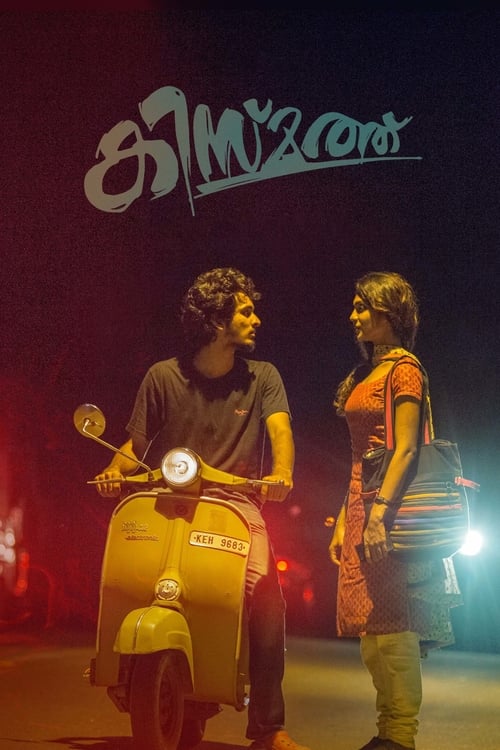
Kismath
2016
No user ratings available yet
Representation score: 4.4 out of 10

Representation Score
Fair
2018
Not RatedDirector
Mari Selvaraj
Runtime
155 minutes
Average Rating
No ratings yetNew Showbiz Analysis
Pariyerum Perumal is a powerful deconstruction of South Indian social hierarchies. It excels by centering the Dalit experience and providing ability to act to characters historically excluded from mainstream cinema. The film uses the protagonist's academic journey to critique systemic oppression and the struggle for dignity. While the film excels in critiquing racial and cultural issues, it remains narrow in its scope of identity. It does not engage with LGBTQ+ themes or disability representation, focusing its energy almost exclusively on the intersection of caste and gender.
Category Breakdown
The story focuses on caste-based conflicts and traditional romantic relationships. It does not prominently feature LGBTQ+ characters or non-conforming gender identities, emphasizing a specific theme centered around social hierarchy.
The female protagonist actively navigates complex social restrictions rather than being a passive character. The film passes the Bechdel test, illustrating how gender roles intersect with caste dynamics.
This film centers the Dalit experience, giving a significant role in driving the story to characters typically sidelined. It challenges the dominance of upper castes by placing a Dalit protagonist in academic and legal contexts.
The narrative critiques traditional social institutions and the concept of purity. It highlights how institutional authorities often perpetuate social inequality and caste-based structures.
The main storyline does not significantly depict physical or neurodivergent disabilities.
Present on Screen
Limited or Absent
Official Synopsis
A law student from a lower caste begins a friendship with his classmate, a girl who belongs to a higher caste, and the men in her family start giving him trouble over this.
2016

2009

2010

2019

2018

2021

2025

2018
No reviews yet. Be the first to share your thoughts on this movie!
Use the rating form above to leave a star rating and optional review.