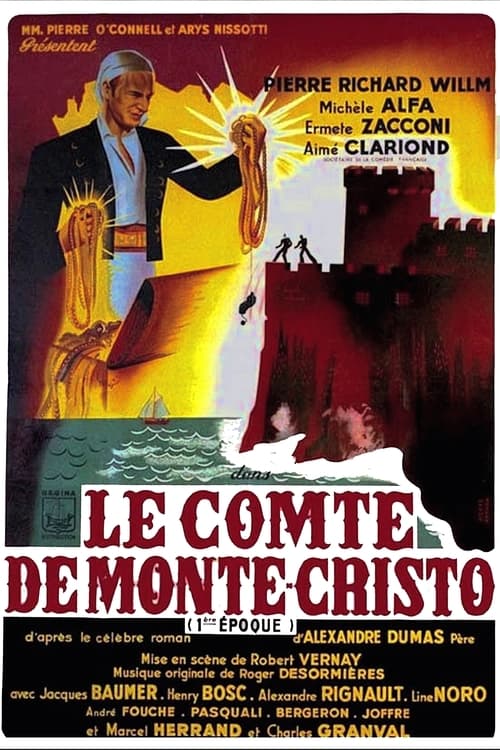
The Count of Monte Cristo Part 1 - The Prisoner of Kastell
1943
No user ratings available yet
Representation score: 2.1 out of 10

Representation Score
Limited
1989
Director
Georgi Yungvald-Khilkevich
Runtime
270 minutes
Average Rating
No ratings yetNew Showbiz Analysis
This adaptation of Alexandre Dumas's classic focuses on the traditional hero's journey and the pursuit of personal justice. The narrative emphasizes individual ability to act and historical genre conventions over exploring multi-layered identities or systemic social critiques. The film operates within the framework of 19th-century French literary traditions, emphasizing male clichés of imprisonment and retribution. While it critiques localized corruption, it does so through a lens of individual morality rather than addressing broader institutional power dynamics. Ultimately, the production serves as a period adventure that favors classical storytelling. It maintains a standard for period-accurate European storytelling without attempting to subvert established social or cultural hierarchies.
Category Breakdown
The film follows the heterosexual and cisgender norms found in the original Dumas novel. There are no representations of LGBTQ+ identities or stories that challenge traditional social norms.
The plot is driven primarily by male characters, focusing on Edmond Dantes’s survival and vengeance. Women play conventional roles rather than challenging established gender hierarchies.
The story is set in a historically European context. It does not prioritize the inclusion of diverse non-European perspectives or racial blending.
The story explores themes of morality and honor through a traditional lens. It follows classical adventure clichés rather than offering a critical look at institutional power structures.
Abbé Faria is portrayed as a wise eccentric, which is a common cliché used to depict mental health issues. This portrayal lacks a nuanced depiction of neurodivergence.
Present on Screen
Limited or Absent
Official Synopsis
A Russian version of the classic Alexandre Dumas novel. Edmond Dantes is falsely accused by those jealous of his good fortune, and is sentenced to spend the rest of his life in the notorious island prison, Chateau d'If. While imprisoned, he meets the Abbe Faria, a fellow prisoner whom everyone believes to be mad. The Abbe tells Edmond of a fantastic treasure hidden away on a tiny island, that only he knows the location of. After many years in prison, the old Abbe dies, and Edmond escapes disguised as the dead body. Now free, Edmond must find the treasure the Abbe told him of, so he can use the new-found wealth to exact revenge on those who have wronged him
1943
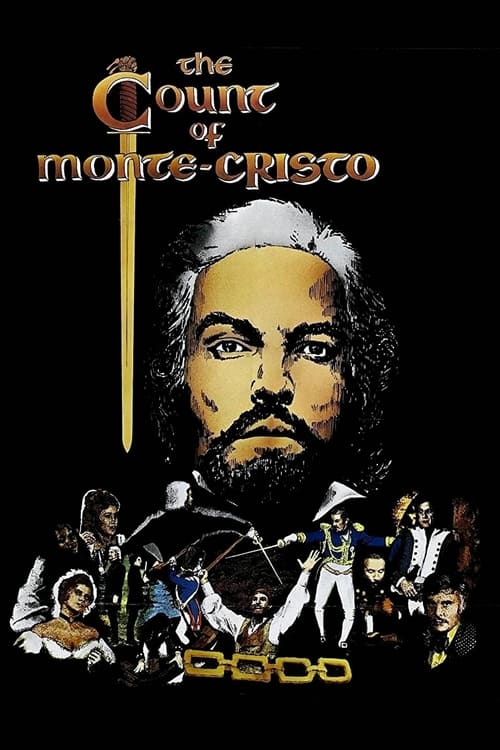
1975
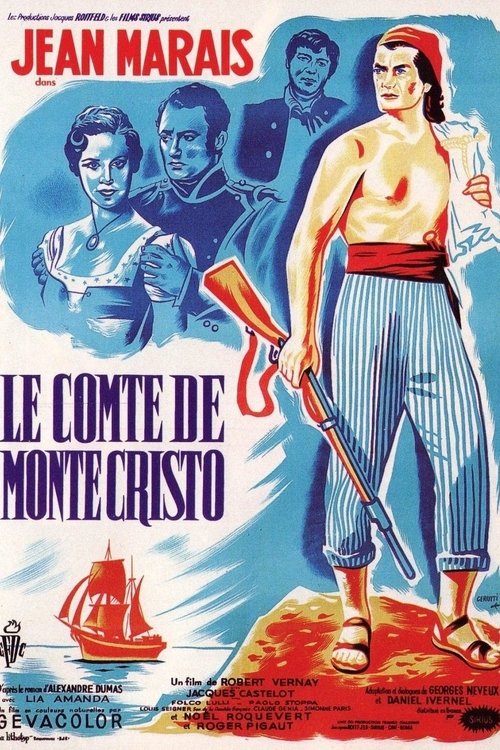
1954
1964
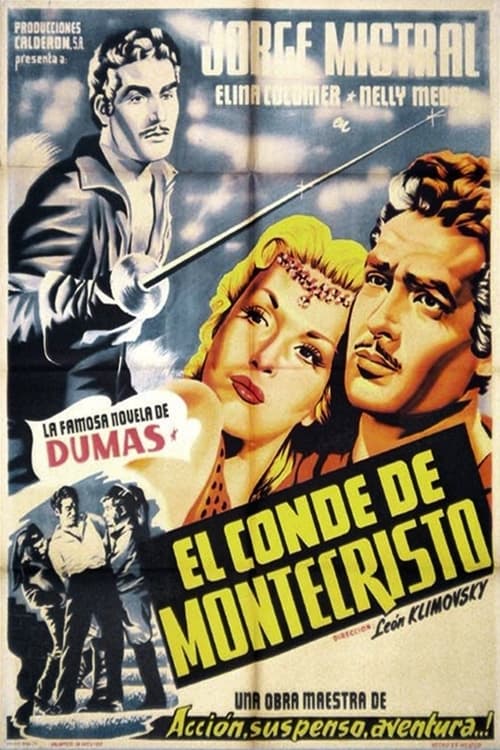
1953
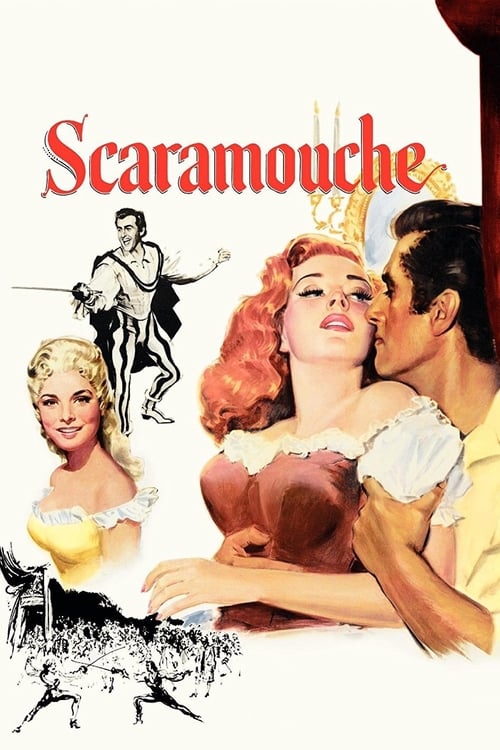
1952
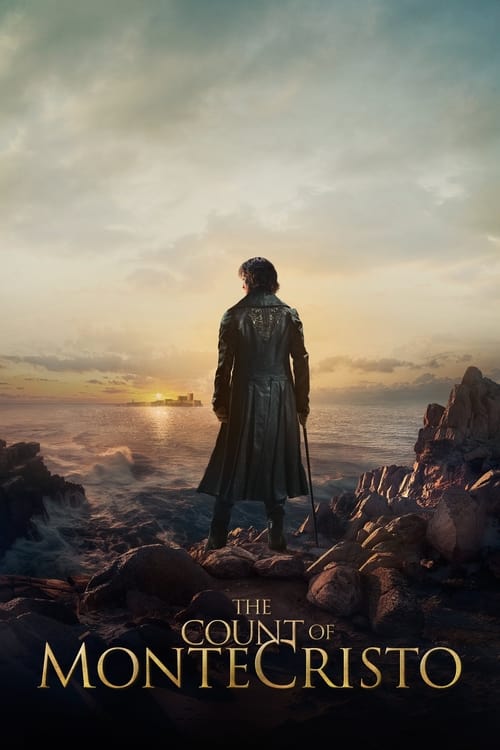
2024
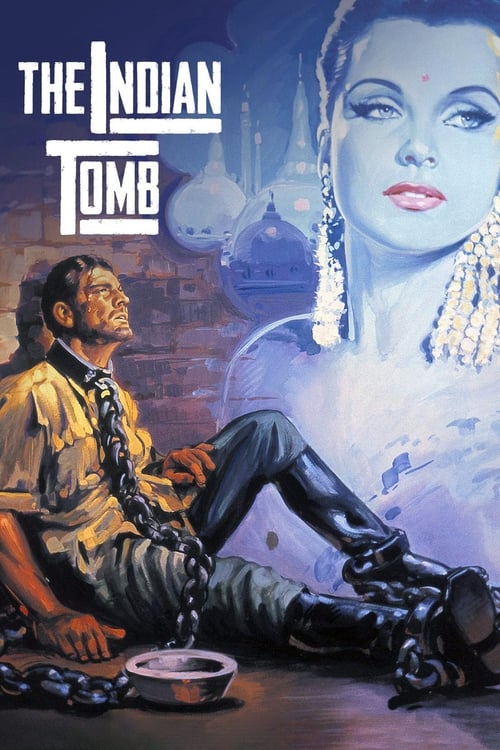
1959
No reviews yet. Be the first to share your thoughts on this movie!
Use the rating form above to leave a star rating and optional review.