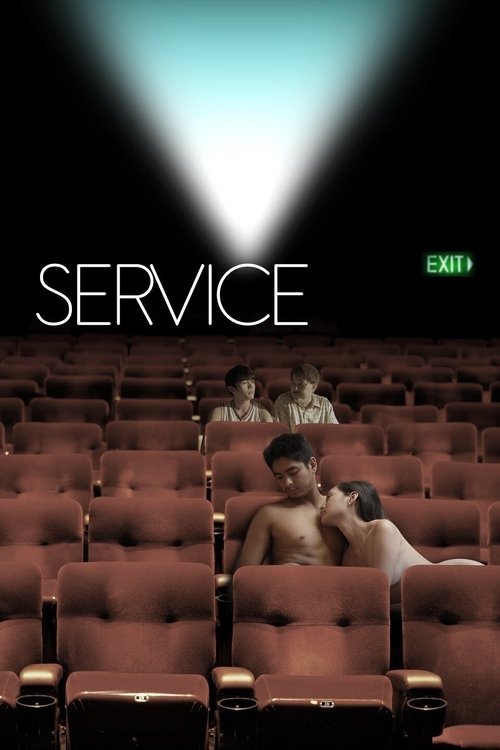
Serbis
2008
No user ratings available yet
Representation score: 8.5 out of 10

Representation Score
Limited
2010
PG-13Director
Antonio de Santos
Runtime
73 minutes
Average Rating
No ratings yetNew Showbiz Analysis
Greta is a character-driven drama that finds its strength in the deconstruction of traditional domestic hierarchies. By centering the narrative on a woman's fight against an abusive marriage and the harsh realities of sex work, the film offers a gritty critique of the sanctity of the nuclear family. However, the film's impact is limited by a lack of visible LGBTQ+ representation or diverse racial backgrounds. The narrative remains focused on heterosexual struggles, leaving little room for a more comprehensive exploration of diverse identities. Ultimately, while the film succeeds in exploring gendered power dynamics and systemic oppression, its narrow focus prevents a more inclusive representation.
Category Breakdown
The film focuses on heterosexual conflicts and sex work, with no visible evidence of queer romantic arcs or non-binary gender identities.
The story centers on a female protagonist navigating systemic pressures and an abusive husband. Her struggle between economic survival and domestic subjugation drives the plot.
The provided context does not detail the character backgrounds or the cast's racial makeup. Consequently, the presence of diverse racial representation remains unconfirmed.
The narrative critiques traditional Western domesticity by framing the nuclear family as a site of oppression. It prioritizes systemic critique over traditional moralism.
There is no documented evidence regarding the inclusion of characters with visible disabilities or neurodivergent traits in this work.
Present on Screen
Limited or Absent
Official Synopsis
An old prostitute must choose between his street work or keep living with his abusive husband.
2008

1994

1995

1962

2004

1956

2017

2013
No reviews yet. Be the first to share your thoughts on this movie!
Use the rating form above to leave a star rating and optional review.