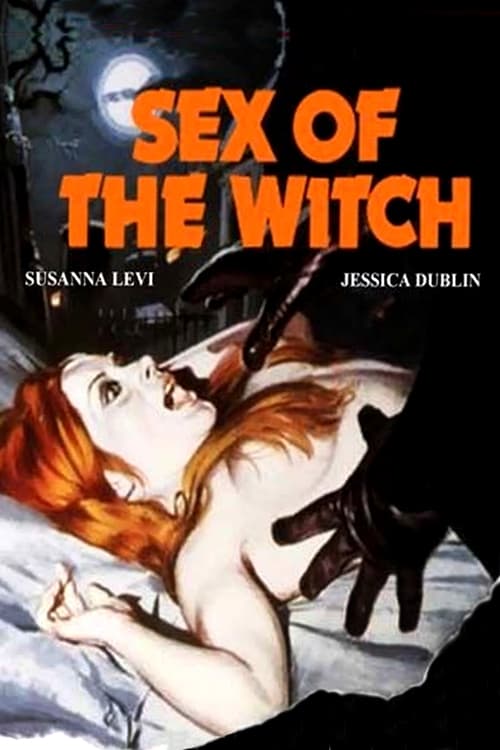
Sex of the Witch
1973
No user ratings available yet
Diversity score: 4.1 out of 10

1976
Director
Peter Sasdy
Runtime
95 minutes
Average Rating
No ratings yetSynopsis
A woman gives birth to a baby, but this is no ordinary little tyke. The child is seemingly possessed by the spirit of a freak dwarf who the mother once spurned. Cue a spate of strange deaths, the one common factor being the presence of a baby in pram at the scene...
Overall Score
Fair
Category Breakdown
LGBTQ+ Representation
The film operates within a heteronormative historical framework. While it explores unconventional romantic entanglements, it does not explicitly center on queer-specific narratives or non-cisnormative identities.
Gender Representation
The film excels in subverting traditional gender hierarchies. The protagonist challenges patriarchal expectations by prioritizing intellectual and professional autonomy over domesticity and submissive femininity.
Racial & Ethnic Diversity
Set in 19th-century France, the film maintains a homogeneous cast. There is a lack of intersectional diversity, reflecting the specific European literary milieu being depicted.
Religious & Cultural Diversity
The narrative critiques traditional Western institutions like the bourgeois family and marital law. It frames the protagonist's rejection of social mores as a pursuit of personal liberation.
Disability Representation
There are no significant depictions of physical or neurodivergent disabilities that serve as central narrative drivers in this biographical context.
Strengths
Areas for Improvement
AI Analysis
The film is a sophisticated character study that prioritizes the deconstruction of 19th-century social hierarchies. Its primary strength lies in its progressive portrayal of female agency, presenting a protagonist who actively rejects the restrictive domestic roles expected of women in the 1840s. However, the film is limited by its historical homogeneity. The focus on the European literary elite results in a lack of racial and ethnic diversity, making the cast feel culturally monolithic. Ultimately, while the film succeeds in challenging gendered social norms and institutional constraints, it remains rooted in a heteronormative framework that lacks explicit LGBTQ+ representation.
1973

1991

2016

2013

2013
1994

1960

1977

1974

1997
1965

2015
No reviews yet. Be the first to share your thoughts on this movie!
Use the rating form above to leave a star rating and optional review.