Dream House Nightmare
2017
No user ratings available yet
Representation score: 4.3 out of 10
Representation Score
Good
2015
PG-13Director
Mahsa Ghorbankarimi, Alexander Gorelick
Runtime
90 minutes
Average Rating
No ratings yetNew Showbiz Analysis
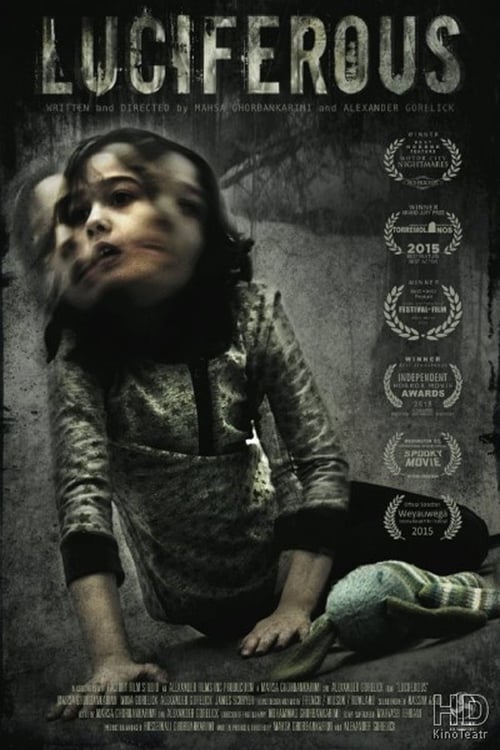
Luciferous uses a familiar domestic structure to explore themes of vulnerability and supernatural intrusion. While the casting of a Persian-named character hints at ethnic inclusion, the film remains centered on a conventional family archetype. The narrative lacks explicit representation of LGBTQ+ identities or neurodivergent experiences. The focus stays on the breakdown of a singular, traditional unit rather than exploring multi-layered identities or systemic power dynamics. Ultimately, the film's impact on diversity is moderate, introducing subtle ethnic variety through its leads but not actively subverting standard genre clichés regarding gender or disability.
Category Breakdown
The film focuses on a nuclear family unit consisting of Alex, Mahsa, and Mina. There are no visible LGBTQ+ characters or non-assuming gender matches what was assigned at birth identities within the main story.
The story centers on a domestic partnership where the plot is triggered by an injury to the male character. It is unclear if the film challenges or reinforces traditional gender roles.
The presence of a character named Mahsa suggests a Persian influence, offering a departure from typical Anglo-Saxon casting. However, the diversity of the broader cast is not confirmed.
The narrative operates within a traditional family framework. While the horror genre often critiques domestic stability, the film's specific stance on cultural beliefs is not explicitly detailed.
Alex’s injury serves as a catalyst for the supernatural plot. It is unclear if this physical vulnerability is treated with significance or used merely as a mechanical plot device.
Present on Screen
Limited or Absent
Official Synopsis
In a high-rise apartment young parents Alex and Mahsa live with their seven-year-old daughter Mina. Everything about the family is completely normal, uncomfortably real: Their home, their jobs, her school, the way they hold and love each other. The line between fact and fiction is blurred because THEY ARE A REAL family. Until completely normal turns into what they fear the most. Alex's injury opens the door to a malevolent force that attacks and dismantles the family one person at a time: A violent aggressor determined to prove that possession is real, unconscionably disturbing and very different from how it's depicted in the movies.
2017

2011
2016

2016
2008
2016

2014
2025
No reviews yet. Be the first to share your thoughts on this movie!
Use the rating form above to leave a star rating and optional review.