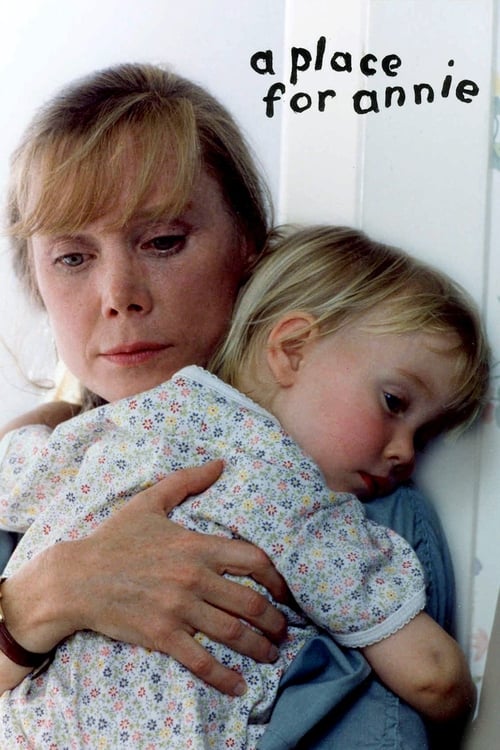
A Place for Annie
1994
No user ratings available yet
Representation score: 3.2 out of 10
Representation Score
Good
1992
Director
Claudia Weill
Runtime
96 minutes
Average Rating
No ratings yetNew Showbiz Analysis
The film serves as a focused character study that highlights women's ability to drive the story. It successfully deconstructs the perceived infallibility of social institutions by emphasizing the tragic consequences of systemic failures in the adoption process. However, the film lacks significant markers of racial or LGBTQ+ diversity. The narrative appears to adhere to the demographic and social norms of its era, resulting in a narrower scope of representation. Ultimately, the film offers a meaningful exploration of female experience and institutional critique, even if it remains demographically limited.
Category Breakdown
The film does not include any explicit LGBTQ+ characters or non-straight relationships. The story focuses on a traditional biological motherhood arc without visible queer presence.
The narrative emphasizes a woman's emotional journey and search for justice, prioritizing her role and ability to act. It avoids traditional male-led procedural storytelling.
The production seems to lack intentional casting that reflects diverse racial backgrounds. The narrative likely follows the demographic norms of the early 1990s.
The film critiques Western institutional frameworks, particularly the adoption system. It portrays these structures as sites of systemic failure rather than stable social pillars.
There is no indication of the portrayal of physical or neurodivergent disabilities. The focus remains on the protagonist's psychological and social experiences.
Present on Screen
Limited or Absent
Official Synopsis
A teenage mother is forced to give up her baby for adoption and, 19 years later, when she tries to contact her son, she learns that he died, under questionable circumstances when he was three years old.
1994
1995
1993
1989

2014

2018

2002
1997
No reviews yet. Be the first to share your thoughts on this movie!
Use the rating form above to leave a star rating and optional review.