
Hanuman Da Damdaar
2017
No user ratings available yet
Representation score: 5.9 out of 10
Representation Score
Good
2021
TV-14Director
Manzini Zungu
Runtime
15 minutes
Average Rating
No ratings yetNew Showbiz Analysis
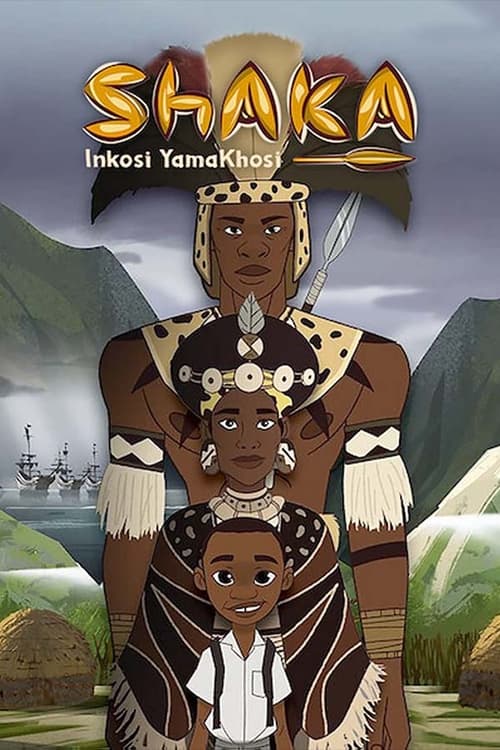
The animated epic centers Shaka Zulu’s rise, treating Zulu traditions and military discipline as the moral core. Queen Nandi provides a strong female counterpoint, acting as a political strategist rather than a passive figure. The cast authentically reflects the historical setting, prioritizing indigenous agency over external viewpoints. Representation gaps remain significant. LGBTQ+ individuals and people with disabilities are absent from the narrative. Women are sidelined from military command, confined to domestic or alliance roles. European characters appear only as external threats, lacking individual depth. The tone is reverent, focusing on nation-building and internal family strife. The film presents a traditional hierarchical society where martial prowess and political cunning are primary virtues. This structure reinforces a narrative of indigenous sovereignty against colonial encroachment.
Category Breakdown
No same-sex romance or non-binary characters appear. The narrative focuses on heterosexual political alliances and royal succession. LGBTQ+ themes are absent from the provided context.
Queen Nandi acts as a strategic political force and moral anchor. Men dominate military and leadership roles. Women manage domestic and alliance contexts without driving the war plot.
The cast is predominantly Black South African, reflecting the Zulu historical subject. The film centers African agency and pre-colonial power dynamics. European perspectives are excluded from the narrative core.
Zulu traditional beliefs, ancestral veneration, and military discipline are treated as authentic. The film validates indigenous nation-building. Colonial encroachment is framed as an external threat to sovereignty.
No ongoing disabled lives are depicted. Physical fitness is emphasized for military training. No characters face chronic disability or use assistive devices in the provided evidence.
Present on Screen
Limited or Absent
Official Synopsis
A young meek boy, Manzini is bullied by three boys on his way back from school in an incident that almost costs him his life. Manzini confesses to his Gogo his desire to quit school. His Gogo narrates a profound tale of resilience evoking the coming-of-age story of a great warrior and King, Shaka Zulu to inspire her grandson through the strength of his lineage.
2017
1997
2006
1998
2021
2016
2017
2025
No reviews yet. Be the first to share your thoughts on this movie!
Use the rating form above to leave a star rating and optional review.