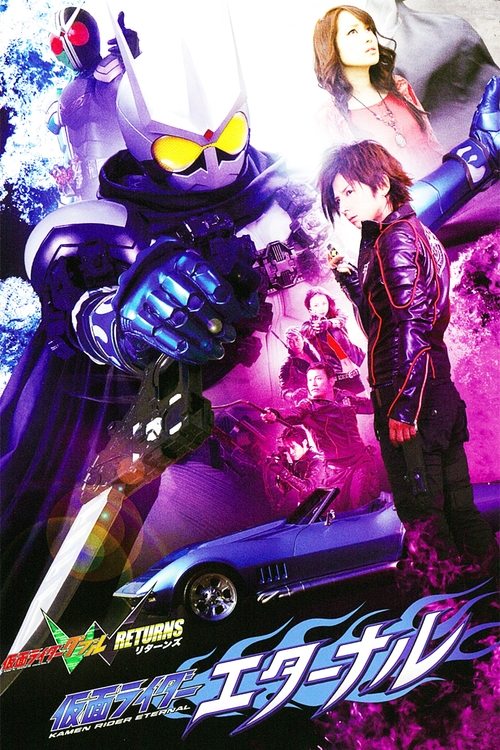
Kamen Rider W Returns: Kamen Rider Eternal
2011
No user ratings available yet
Representation score: 2.8 out of 10
Representation Score
Limited
2011
Director
Koichi Sakamoto
Runtime
71 minutes
Average Rating
No ratings yetNew Showbiz Analysis
This action-adventure film functions as a character study of justice and loyalty within a very conventional framework. It prioritizes established genre clichés and traditional social structures over any attempt to challenge existing hierarchies. The narrative structure reinforces the status quo by focusing on the preservation of marriage and the restoration of social order, avoiding complex identity-based or multi-layered themes.
Category Breakdown
The story focuses on traditional relationship models, emphasizing Ryu Terui's marriage to Akiko and reinforcing conventional heterosexual relationships without including non-binary or LGBTQ+ identities.
Male characters primarily drive the plot through combat, while female characters like Akiko serve as emotional anchors or catalysts for personal stakes, rather than being primary action drivers.
The cast is relatively homogeneous, typical of domestic Japanese tokusatsu productions. The narrative lacks exploration of ethnic diversity or multi-layered themes through race-bending or non-human metaphors.
The film operates within a traditional moral framework of good versus evil, prioritizing social stability and the sanctity of the family unit over moral relativism.
There is no significant focus on visible or invisible disabilities. Characters are defined by their capacity for heroism rather than neurodivergence or physical disability.
Present on Screen
Limited or Absent
Official Synopsis
While settling into married life with Akiko, Ryu is brought into a case involving a woman named Katsuragi Aoi, a member of a pickpocketing ring with most of her teammates murdered from unknown masked vigilantes that Ryu fought as Accel. As the details of the case begin to unravel, Ryu is framed and Akiko believes that he may not be faithful to her. As the clock ticks down, Ryu must solve the case, clear his name, and save his marriage before everything comes to an explosive end!
2011
2014
2010
2010
2010
2016
2010
2007
No reviews yet. Be the first to share your thoughts on this movie!
Use the rating form above to leave a star rating and optional review.