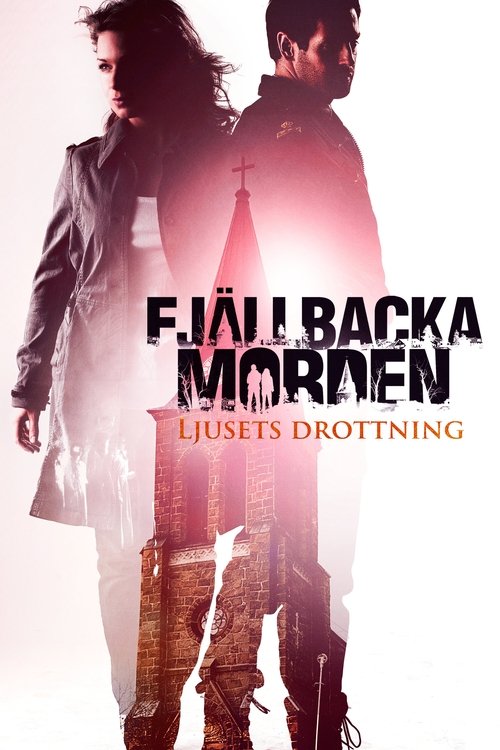
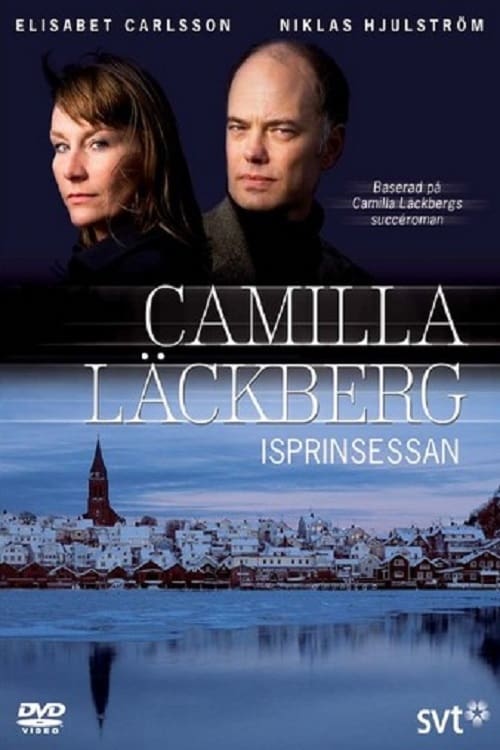
The Fjällbacka Murders: The Queen of Lights
2013
No user ratings available yet
Representation score: 4.6 out of 10
Representation Score
Fair
2013
Director
Marcus Olsson
Runtime
90 minutes
Average Rating
No ratings yetNew Showbiz Analysis
This Nordic Noir film prioritizes atmospheric tension and psychological complexity over social disruption. It employs a dual-timeline structure to explore how past secrets impact current crimes. While the film excels in character-driven mystery, it remains tied to traditional demographic norms. The narrative tackles sophisticated themes of morality and corrupted love but does not actively challenge broader systemic hierarchies. Ultimately, the film’s progressive profile is supported by its female protagonist's leadership, though it adheres to conventional genre clichés.
Category Breakdown
The story focuses on traditional romantic relationships and fails to include diverse LGBTQ+ identities or critiques of conventional structures.
Erica Falck stands out as the main intellectual force, often surpassing her male colleagues. However, the supporting cast generally follows traditional roles.
The cast is predominantly white, reflecting the demographics of a small Swedish town. There is no significant racial or ethnic diversity.
The narrative delves into how past traumas and secrets affect a community, focusing on individual morality and situational ethics without challenging Western institutions.
The film does not prominently feature characters with visible or invisible disabilities. The storyline emphasizes psychological tension and criminal motives over disability issues.
Present on Screen
Limited or Absent
Official Synopsis
When Erica finds Fjällbacka's photographer Stigge murdered in his studio, she can't help but take interest in the investigation regarding his death. Patrik and his colleagues at the Fjällbacka police soon starts to question whether or not Stigge was the sweet old man he seemed to be. Erica is already ahead of them - since her mother-in-law Kristina has confided in her that she is one among many in the neighborhood that Stigge blackmailed... In "The sea gives, the sea takes" we go back to the 1960s to tell the story of how true love corrupted young Stigge and made him cover up a murder with the purpose to win the love of his life.
2013
2010
2013
2012
2013
1998
2007
2007
No reviews yet. Be the first to share your thoughts on this movie!
Use the rating form above to leave a star rating and optional review.