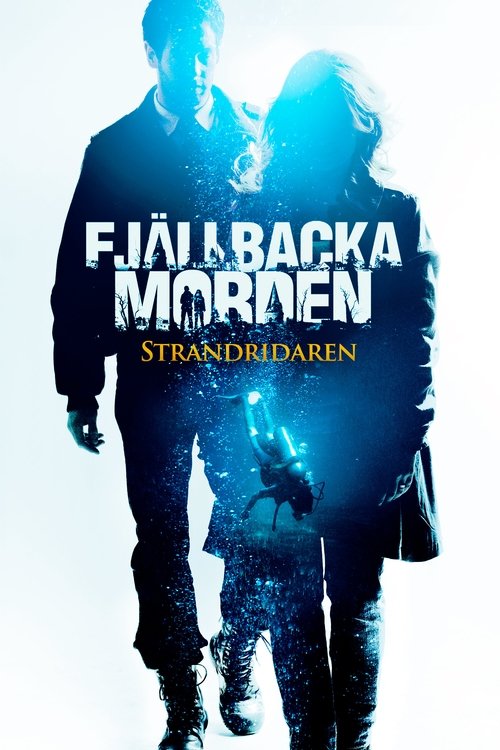
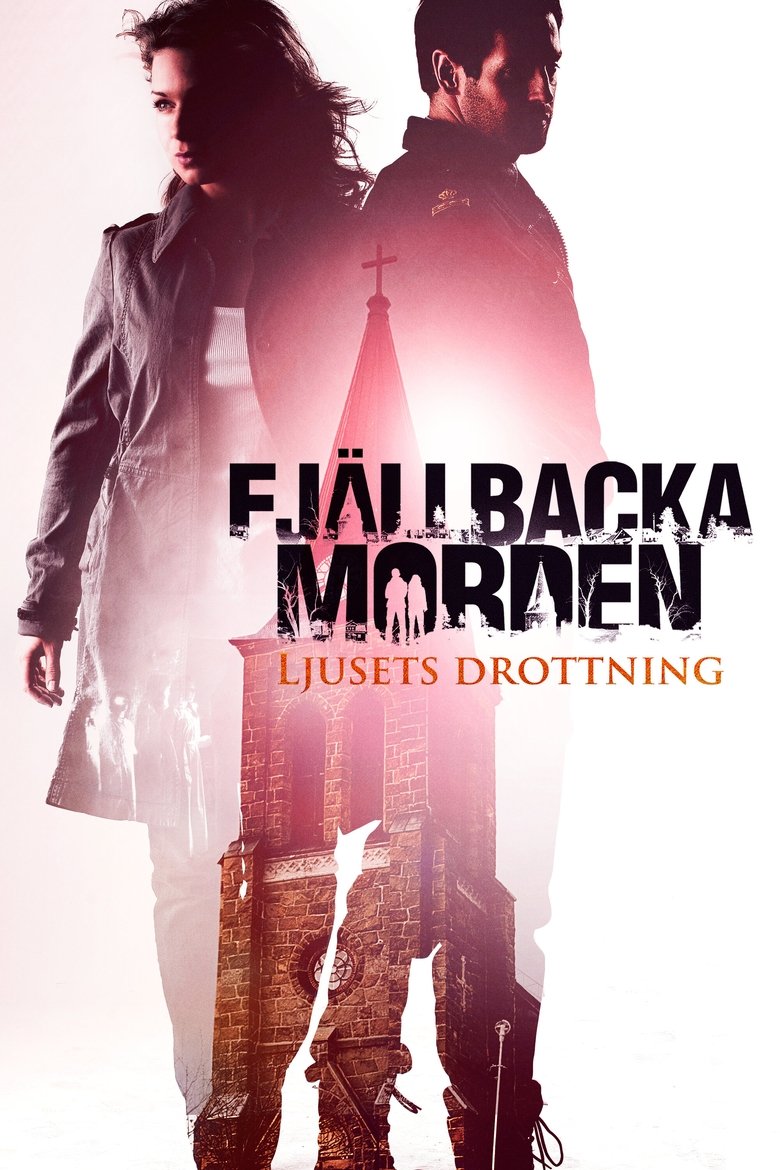
The Fjällbacka Murders: The Coast Rider
2013
No user ratings available yet
Diversity score: 2.8 out of 10
2013
Director
Rickard Petrelius
Runtime
90 minutes
Average Rating
No ratings yetSynopsis
On a crystal clear, starry and bitingly cold winter night a young woman dressed in the traditional Lucia white gown is seen running across the ice while sobbing. She stumbles in her long gown and drops her crown of candles in the snow and when she reaches a channel in the ice she throws herself into the dark waters and disappears. We find Erica and her husband Patrik right in the middle of preparing everything to celebrate Christmas in their house for the first time. On the 13th of December the family goes to church to watch the Lucia celebration only to find out that the Lucia has gone missing. Erica who notices a dispute in the audience can't help herself but to try and find out what the fight was really about and what could have happened to the missing Lucia. The past catches up with the present as Erica's discoveries leads to the missing Lucia, a secret love affair and a son seeking revenge for his mother.
Overall Score
Limited
Category Breakdown
LGBTQ+ Representation
The film lacks prominent LGBTQ+ characters or storylines. The central romantic arc focuses on the heteronormative partnership between Erica Falck and Patrik Hedström.
Gender Representation
Erica Falck serves as a highly capable protagonist with significant intellectual agency. The film avoids traditional tropes by presenting a balanced power dynamic within her domestic and professional life.
Racial & Ethnic Diversity
The ensemble is predominantly homogeneous, reflecting the specific geographic context of a small Swedish coastal town. The narrative lacks diverse ethnic perspectives or intentional intersectional breadth.
Religious & Cultural Diversity
Scandinavian traditions, such as the Lucia celebration, serve as central narrative anchors. The film portrays these cultural institutions as foundational and conventional elements of the community.
Disability Representation
There is no meaningful portrayal of visible or invisible disabilities. Characters with physical or neurodivergent traits do not appear to drive the narrative.
Strengths
Areas for Improvement
AI Analysis
The film is a traditional Nordic Noir procedural that prioritizes atmospheric realism and genre conventions over social reconfiguration. It succeeds in providing a strong, competent female lead who drives the investigation through professional authority. However, the narrative remains anchored in demographic homogeneity and conventional Western social structures. The setting and cast reflect a localized Swedish environment but offer little in the way of intersectional or diverse perspectives. Ultimately, while the film subverts gender hierarchies through its protagonist, it lacks representation across most other identity categories, resulting in a narrow social scope.
No reviews yet. Be the first to share your thoughts on this movie!
Use the rating form above to leave a star rating and optional review.